Stilobezzia coquilletti
Kieffer, 1917
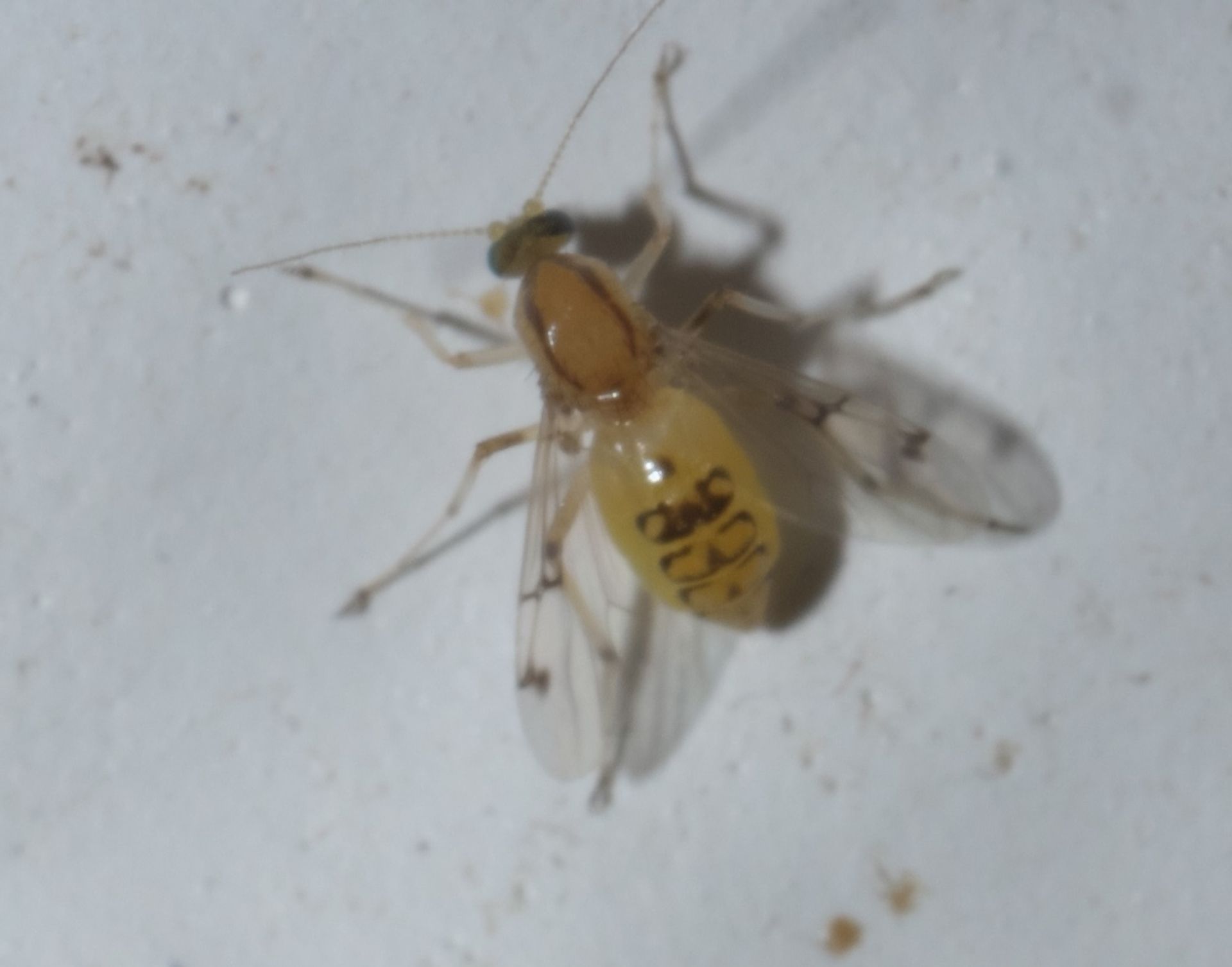
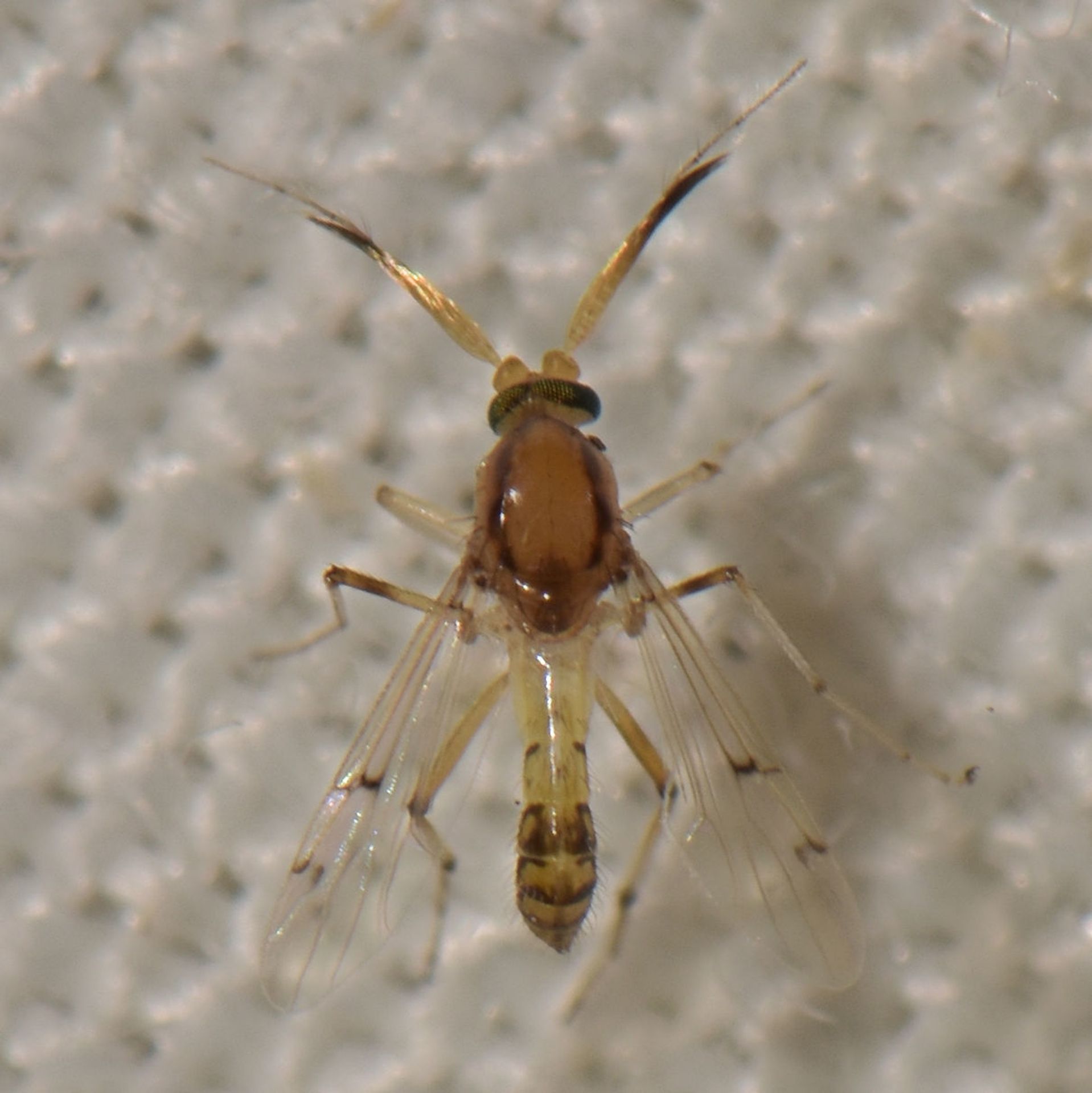
Stilobezzia coquilletti is a of biting midge in the Ceratopogonidae, first described by Jean-Jacques Kieffer in 1917. The species is known from Brazil, with records from Amazonas and São Paulo states. As a member of the Stilobezzia, it belongs to a group of ceratopogonids characterized by predatory larval and stages. The specific epithet honors the American entomologist Daniel William Coquillett.
Pronunciation
How to pronounce Stilobezzia coquilletti: /ˌstɪloʊˈbɛziə kəˌkwɪˈlɛtaɪ/
These audio files are automatically generated. While they are not always 100% accurate, they are a good starting point.
Identification
Members of Stilobezzia can be distinguished from other Ceratopogonidae by the presence of a distinct stilobezzian , a specialized eye structure where the are divided into two distinct regions. Specific identification of S. coquilletti requires examination of male genitalia and wing venation patterns, which are the standard diagnostic features for in this . The species is named in honor of Daniel William Coquillett, a prominent American dipterist.
Images
Distribution
Known from Brazil, with confirmed records from Amazonas (BR-AM) and São Paulo (BR-SP) states.
Diet
Larvae and are , feeding on small . Specific prey items for S. coquilletti have not been documented.
Life Cycle
Complete with , larval, pupal, and stages. Larvae are aquatic or semi-aquatic, typical for the . Detailed for this is unrecorded.
Ecological Role
in aquatic and semi-aquatic microhabitats, contributing to regulation of small .
Human Relevance
No documented direct interactions with humans. Ceratopogonidae are generally known as biting midges, though Stilobezzia are not documented as significant pests or .
Similar Taxa
- Other Stilobezzia speciesDistinguished primarily by male genitalia and subtle differences in wing venation; requires microscopic examination for reliable identification.
- Ceratopogoninae genera (e.g., Bezzia, Palpomyia)Share predatory habits and general body form, but differ in structure and details of antennal and palpal .
More Details
Etymology
The specific epithet coquilletti honors Daniel William Coquillett (1856-1911), an influential American entomologist who made significant contributions to the of Diptera, particularly in North America. Coquillett described numerous across many dipteran and served as curator of Diptera at the United States National Museum.
Taxonomic Status
Catalogue of Life lists this name as a synonym, while GBIF treats it as an accepted name. This discrepancy reflects ongoing taxonomic refinement in the Stilobezzia, which contains many with limited material available for study.
Sources and further reading
- BugGuide
- Wikipedia
- GBIF taxonomy match
- iNaturalist taxon
- Catalogue of Life
- Coquillettia vicina Wyniger lateral | Entomology Research Museum
- Bembicid Holdings | Entomology Research Museum
- Bug Spotlight | Entomology Research Museum
- Primary Type List | Entomology Research Museum
- Field Guide Selected References
- Bug Eric: Wasp Wednesday: Poecilopompilus algidus