
Tethininae
Hendel, 1916
Beach Flies
Genus Guides
1- Tethina(beach flies)
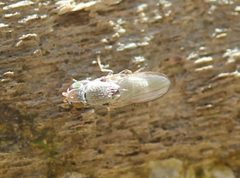
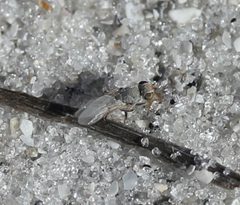
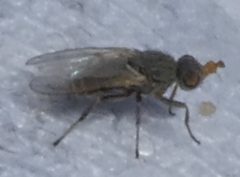
Tethininae is a of tiny acalyptrate flies within Canacidae, comprising over 115 across seven . Formerly treated as , the group is now recognized as . These drab-colored flies are strongly associated with maritime , particularly intertidal zones and rotting seaweed accumulations. Despite their global distribution across all zoogeographic regions, many tropical species remain poorly documented.
Pronunciation
How to pronounce Tethininae: /tɛˈθɪnɪneɪ/
These audio files are automatically generated. While they are not always 100% accurate, they are a good starting point.
Identification
Distinguished from other Canacidae by combination of small size, drab coloration, and coastal preference. Male terminalia provide critical diagnostic features for -level identification in Dasyrhicnoessa and presumably other . Key to genera available for Mascarene and Seychelles faunas.
Images
Appearance
Tiny flies with drab, grey or dull coloration. Body inconspicuous and typically unpatterned. Male terminalia often provide -level diagnostic characters.
Habitat
Primarily maritime and littoral . abundant in rotting seaweed accumulations on sandy beaches, dunes, and coastal lagoons. Some occur inland in association with alkaline habitats in arid zones, including meadows, mountain passes, forests, and anthropogenic sites with salt accumulation such as areas near slaughterhouses and poultry farms.
Distribution
All zoogeographic regions. Documented from Mascarene Islands (La Réunion, Mauritius, Rodrigues), Seychelles, western North America, Caribbean, Gulf of Mexico, Bermuda, and Japan. Faunal affinities exist between Mascarene and Seychelles island groups. Notably absent from Mascarenes and Seychelles: Horaismoptera, despite its presence in East Africa, Madagascar, and southern Arabian Peninsula.
Life Cycle
stages poorly known except for subantarctic Apetaenus and Listriomastax. Presumed association with rotting seaweed for most based on .
Behavior
sometimes abundant in rotting seaweed. Strictly thalassophilous concentrated on dunes, sandy soil, and wrack heaps stranded on beaches. Certain species inhabit inland far from coastlines, dependent on continental saline environments.
Human Relevance
Indicator of coastal conditions. Some associated with anthropogenic sites of salt accumulation including areas polluted by rotting waste, industrial emissions, or debris from slaughterhouses and poultry farms.
Similar Taxa
- PelomyiinaeAlso within Canacidae; distinguished by being almost exclusively inland-dwelling rather than thalassophilous, associated with meadows, forests, and non-saline
- Other Canacidae subfamiliesTethininae distinguished by small size, drab coloration, and strong coastal affinity; precise morphological distinctions require examination of terminalia and other fine structural characters
Misconceptions
unfamiliar with tethinids often assume all require seashore presence. In reality, many species inhabit inland alkaline , sometimes hundreds of kilometers from coastlines, closely dependent on continental saline environments rather than marine conditions.
More Details
Taxonomic history
Formerly treated as ; now classified as Tethininae within Canacidae. Status as group acknowledged in literature.
Knowledge gaps
stages unknown for most . Tropical South American fauna particularly poorly known. Western Palearctic species require taxonomic review.
Genera
Seven recognized: Afrotethina, Dasyrhicnoessa, Plesiotethina, Pseudorhicnoessa, Sigaloethina, Tethina, and Thitena.