
Heteropterna
Skuse, 1888
Species Guides
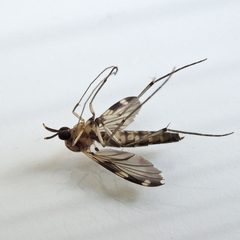
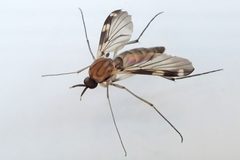
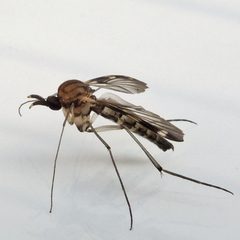
1Heteropterna is a of predatory fungus gnats established by Skuse in 1888, containing at least 20 described . Members of this genus belong to the Keroplatidae, a group of small flies whose larvae inhabit moist, decaying organic matter and fungal substrates. The genus is distinguished within Keroplatidae by specific morphological features of the wing venation and genitalia. Heteropterna are likely active in humid forest environments where their larval prey and fungal occur.
Pronunciation
How to pronounce Heteropterna: /ˌhɛtəroʊˈpɛrt.nə/
These audio files are automatically generated. While they are not always 100% accurate, they are a good starting point.
Identification
Heteropterna are distinguished from other Keroplatidae primarily by wing venation patterns and male genitalia structure. The genus name refers to heteropterous (unequal-winged) characteristics in wing . Accurate identification to species level requires examination of microscopic features and dissection of terminalia. They may be separated from the related genus Keroplatus by details of the costal and tibial spurs.
Images
Distribution
of Heteropterna have been recorded from multiple continents, with documented occurrences in Australia, New Zealand, and various regions of the Palearctic. The appears to have a broad distribution across temperate and subtropical zones of the Southern Hemisphere and Eurasia. Specific distribution data for individual species remains limited in available sources.
Similar Taxa
- KeroplatusBoth belong to Keroplatidae and share general body plan and preferences; Heteropterna differs in wing venation details and genitalia structure.
- PlatyuraAnother keroplatid with predatory larvae; Heteropterna is distinguished by wing venation patterns and antennal structure.
More Details
Taxonomic History
The was established by Frederick Skuse in 1888 based on Australian material. The type is Heteropterna variegata Skuse, 1888. The genus has undergone periodic revision, with species descriptions continuing into the 21st century.
Research Status
Heteropterna remains poorly studied compared to other dipteran . Most descriptions rely on morphological characters from limited specimen series. No comprehensive molecular phylogenetic study has focused specifically on this genus.