
Lestremiinae
Lestremiine Wood Midges
Genus Guides
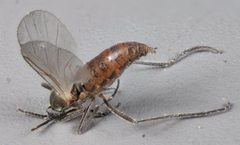
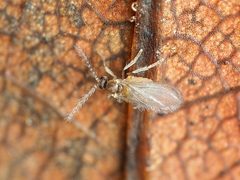
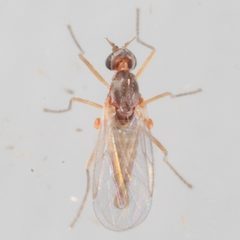
5Lestremiinae is a of gall midges (Cecidomyiidae) comprising 105 described across 13 . The subfamily is distinguished by larval specialization on fungal substrates. Unlike many Cecidomyiidae that form plant galls, Lestremiinae larvae are primarily fungivorous, inhabiting decaying wood where they consume fungal growth. The group has received substantial taxonomic attention in northern Europe, with ongoing discoveries of new species.
Pronunciation
How to pronounce Lestremiinae: //ˌlɛstrɛmaɪˈɪni//
These audio files are automatically generated. While they are not always 100% accurate, they are a good starting point.
Identification
Lestremiinae can be distinguished from other Cecidomyiidae by larval and feeding : larvae develop in rotting wood feeding on fungi rather than forming plant galls. identification to subfamily requires examination of morphological characters including antennal structure and wing venation patterns, though specific diagnostic features vary by .
Images
Habitat
Larvae inhabit rotting wood, where they feed on fungal growth. Specific microhabitat preferences (e.g., wood decay stage, moisture requirements, tree associations) are not well documented in available sources.
Distribution
Documented from Sweden with extensive inventory work revealing multiple new records. Global distribution presumably broader given 105 described species across 13 , but specific range boundaries are not established in available sources.
Diet
Larvae feed on fungi.
Ecological Role
Fungivorous larvae in rotting wood contribute to decomposition processes and nutrient cycling in forest . Specific quantitative contributions or interactions with other decomposer organisms are not documented in available sources.
Similar Taxa
- PorricondylinaeAlso a of Cecidomyiidae with fungivorous larvae; distinguished by different morphological characters and larval preferences
- MicromyinaeAnother fungivorous Cecidomyiidae ; differs in larval and