
Sackenomyia
Felt, 1908
Species Guides
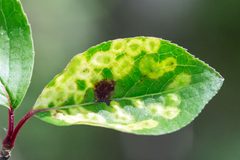
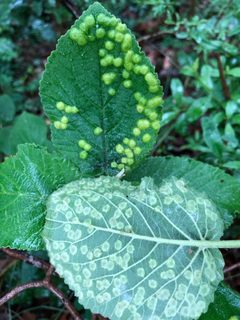
1Sackenomyia is a of gall midges in the Cecidomyiidae, established by Felt in 1908. The genus contains five described distributed across the Northern Hemisphere. Species are associated with specific plants, including maple, currant, and viburnum. As gall midges, they induce abnormal plant growths (galls) that serve as larval development sites.
Pronunciation
How to pronounce Sackenomyia: /ˌsækəˈnoʊmiə/
These audio files are automatically generated. While they are not always 100% accurate, they are a good starting point.
Identification
Members of Sackenomyia are distinguished from other gall midge primarily through larval gall and plant associations. identification requires examination of antennal structure, wing venation, and genitalia. The genus is most reliably recognized by the combination of gall type on specific host plants and adult morphological characters described in taxonomic revisions.
Images
Habitat
correspond to those of their plants: temperate deciduous forests, shrublands, and cultivated landscapes where maple (Acer), currant (Ribes), and viburnum (Viburnum) occur.
Distribution
are recorded from North America and Eurasia. Sackenomyia acerifoliae and S. viburnifolia occur in North America; S. reaumurii has a European distribution; S. ribesifolia is recorded from Russia; S. commota is known from North America.
Seasonality
activity coincides with plant , typically spring through early summer when fresh leaf growth provides gall induction sites. Specific periods vary by and latitude.
Host Associations
- Acer - S. acerifoliae induces galls on maple leaves
- Ribes - S. ribesifolia associated with currant
- Viburnum - S. viburnifolia induces galls on viburnum
Behavior
Larvae induce gall formation on plant leaves. Galls provide protected microhabitats for larval development. are short-lived and do not feed; their primary activity is mate location and oviposition on suitable host plant tissue.
Ecological Role
As gall-formers, act as plant that manipulate plant tissue development. Galls may serve as microhabitats for secondary inhabitants including , , and .
Human Relevance
No significant economic impact documented. Gall formation on ornamental plants (maple, viburnum) is generally minor and not considered horticulturally damaging.
Similar Taxa
- CecidomyiaSimilar gall midge ; distinguished by gall , associations, and antennal and genital characters
- ContariniaFlower and bud gall midges with overlapping plants; Sackenomyia typically induces leaf galls rather than floral galls
More Details
Species list
Five described : S. acerifoliae (Felt, 1907), S. commota Gagne, 1975, S. reaumurii (Bremi, 1847), S. ribesifolia Fedotova, 1987, S. viburnifolia Felt, 1909
Etymology
named in honor of Carl Robert Osten-Sacken, prominent 19th-century dipterist who contributed extensively to Cecidomyiidae