Olpodiplosis
Gagné, 1973
Species Guides
1Olpodiplosis is a of gall midges ( Cecidomyiidae) established by Raymond Gagné in 1973. It contains a single described , Olpodiplosis helianthi, which induces galls on sunflowers. The genus is to North America.
Pronunciation
How to pronounce Olpodiplosis: /ɔlpoʊdaɪˈploʊsɪs/
These audio files are automatically generated. While they are not always 100% accurate, they are a good starting point.
Identification
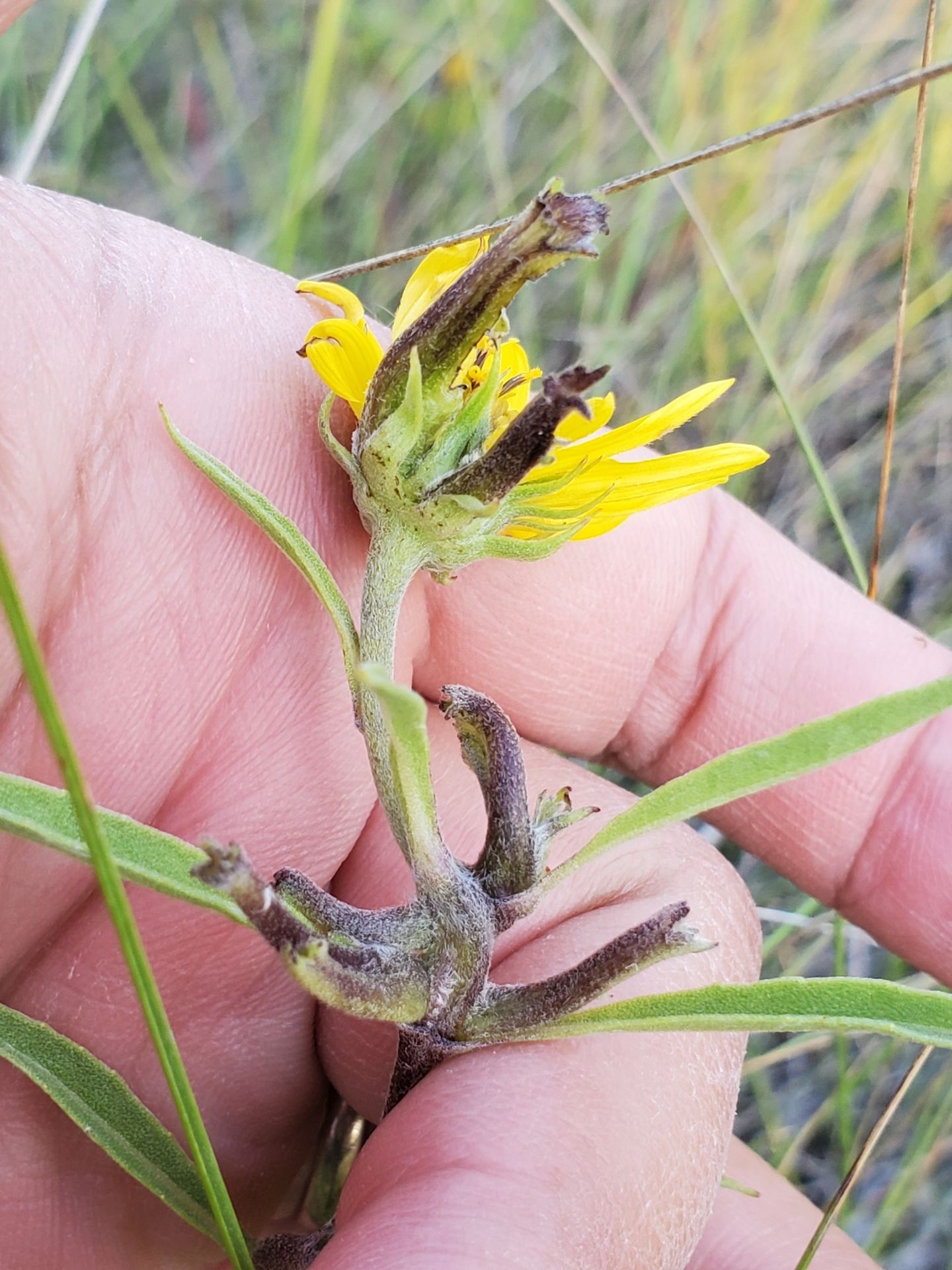
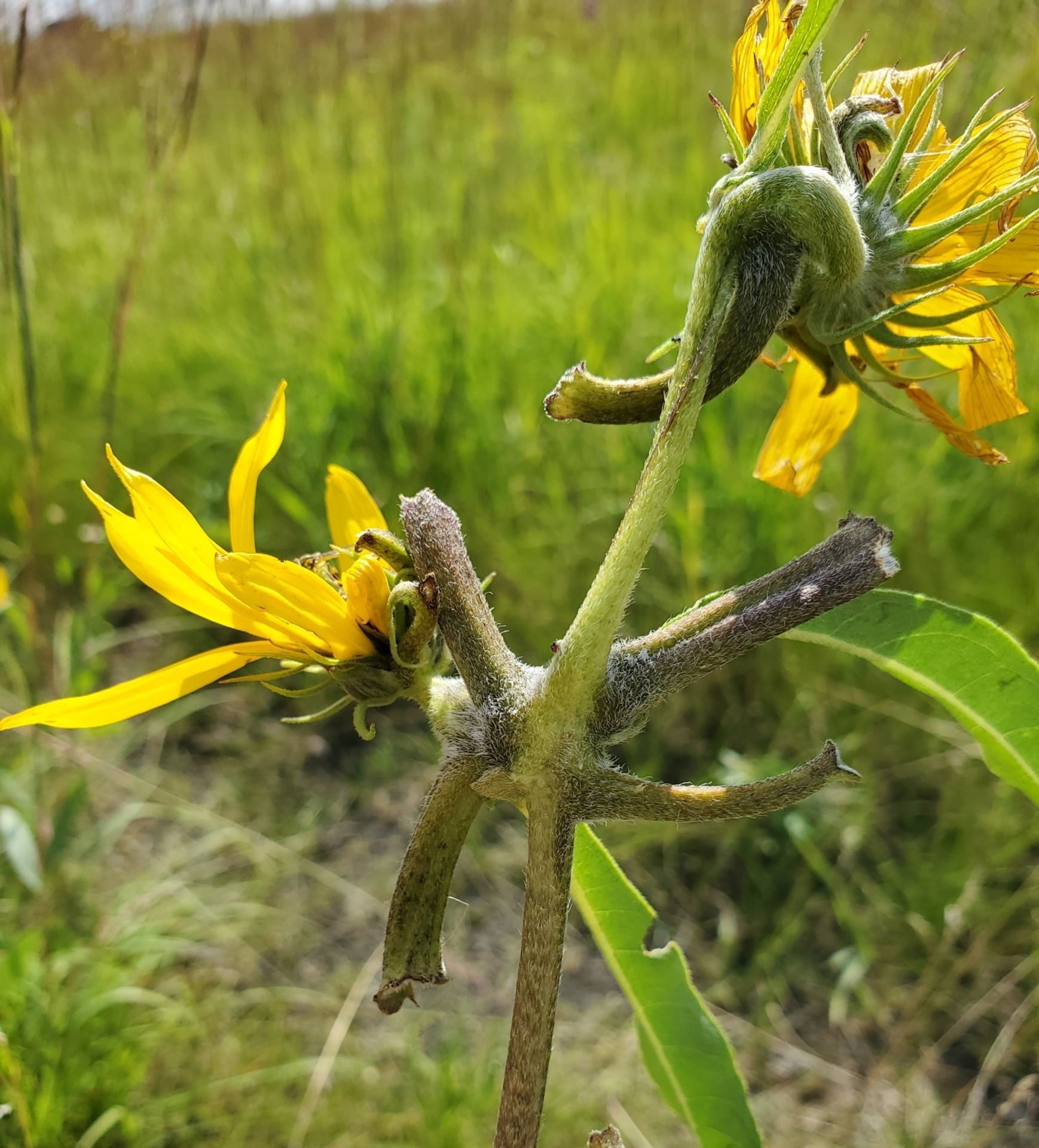
The is recognized by its association with flask-shaped galls on sunflower (Helianthus) . As a gall midge genus, are minute, delicate flies with reduced wing venation typical of Cecidomyiidae. Species-level identification requires examination of gall and association.
Images
Habitat
Associated with sunflower-dominated environments, including prairies, meadows, and agricultural fields where Helianthus occur.
Distribution
North America
Seasonality
emerge in spring; larvae overwinter within galls.
Host Associations
- Helianthus - gall inducerFlask-shaped galls induced on multiple Helianthus
Life Cycle
Larvae develop within flask-shaped galls on sunflower stems or leaves. The inducers overwinter inside the galls, with emerging the following spring.
Ecological Role
Acts as a gall inducer on sunflowers, creating novel plant structures that may provide microhabitats for other organisms.
Human Relevance
Potential minor pest of sunflower crops; otherwise little direct economic significance documented.
Similar Taxa
- Other Cecidomyiidae gall midges on AsteraceaeMany gall midges induce galls on sunflower relatives; Olpodiplosis is distinguished by the specific flask-shaped gall and taxonomic placement in Olpodiplosis.
More Details
Taxonomic history
Originally described as Diplosis helianthi by William Brodie in 1894, the was transferred to the new Olpodiplosis by Raymond Gagné in 1973, reflecting improved understanding of gall midge .