
Contarinia negundinis
(Gillette, 1890)
boxelder gall midge, boxelder bud gall midge, boxelder leaf gall midge
Contarinia negundinis, commonly known as the boxelder gall midge, is a of gall midge in the Cecidomyiidae. It induces galls on boxelder (Acer negundo) and is the only North American species in its known to enter during the pupal stage. The species is distributed in parts of the United States including Vermont.
Pronunciation
How to pronounce Contarinia negundinis: //kɔn.taˈrɪ.ni.a nɛˈɡʊn.diˌnɪs//
These audio files are automatically generated. While they are not always 100% accurate, they are a good starting point.
Identification
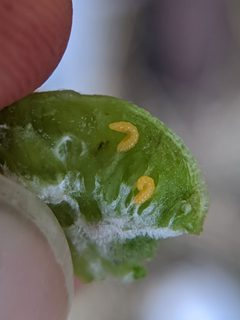
Distinguished from other Contarinia by its specific association with boxelder (Acer negundo) as a plant. The pupal characteristic is unique among North American Contarinia species, though this trait requires laboratory or detailed study to confirm. Gall on boxelder buds or leaves may provide field identification cues, though specific gall descriptions are not documented in available sources.
Images
Habitat
Associated with boxelder (Acer negundo), suggesting riparian areas, floodplains, and disturbed where this tree commonly occurs.
Distribution
United States (Vermont, with broader US distribution implied by records). Specific range details beyond Vermont are not documented in available sources.
Host Associations
- Acer negundo - Induces galls on boxelder; specific plant parts affected (buds, leaves) referenced in but not confirmed in primary literature.
Life Cycle
Enters during the pupal stage, the only North American Contarinia known to exhibit this trait. Complete details including number of per year are not documented.
Ecological Role
Gall inducer; manipulates plant tissue to form protective structures for larval development. Specific impacts or interactions with natural enemies are not documented.
Human Relevance
Potential minor pest of ornamental boxelder, though economic significance is not documented in available sources. No management guidelines specific to this were found.
Similar Taxa
- Contarinia sorghicolaFormerly placed in Contarinia (as Stenodiplosis sorghicola), but distinguished by association with sorghum rather than boxelder, and by (sorghum midge does not enter pupal ).
- Other Contarinia speciesNumerous Contarinia induce galls on diverse ; C. negundinis is distinguished by boxelder host specificity and unique pupal among North American .
More Details
Pupal diapause uniqueness
The entry of specifically during the pupal stage appears to be a distinctive physiological trait of C. negundinis among North American Cecidomyiidae, though the ecological significance of this timing remains unstudied.
Taxonomic note
The was described by Gillette in 1890. The Contarinia is large and taxonomically complex, with many species poorly characterized beyond original descriptions.
Sources and further reading
- BugGuide
- Wikipedia
- GBIF taxonomy match
- NCBI Taxonomy
- Catalogue of Life
- Ian Grettenberger Targets a Variety of Pests | Bug Squad
- Bohart Museum Virtual Open House: Think Pests of Alfalfa and Rice | Bug Squad
- Insects that feed on developing grain in the head - AgriLife Extension Entomology
- Super Crop Challenge #13 | Beetles In The Bush