
Caryomyia biretta
Gagné, 2008
Hickory Beret Gall Midge
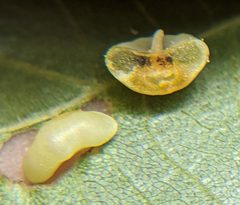
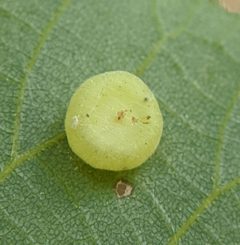
Caryomyia biretta is a gall midge in the Cecidomyiidae, described by Gagné in 2008. It is commonly known as the Hickory Beret Gall Midge due to its association with hickory trees and the distinctive gall formations it induces. The species is part of a specialized in creating galls on Carya (hickory and pecan) species.
Pronunciation
How to pronounce Caryomyia biretta: /kæɹioʊˈmaɪə bɪˈrɛtə/
These audio files are automatically generated. While they are not always 100% accurate, they are a good starting point.
Identification
Specific diagnostic features for C. biretta are not well documented in accessible literature. As a member of Caryomyia, it likely produces small, distinctive galls on hickory leaves or stems. Accurate identification to level typically requires examination of gall , plant specificity, and morphological characters including structure and genitalia, which are best assessed by .
Images
Habitat
Associated with deciduous forests and woodlands containing hickory (Carya) . The species completes its in proximity to its trees.
Distribution
Reported from eastern North America where hickory occur. Specific range boundaries are not well documented.
Seasonality
and gall formation timing is likely synchronized with hickory leaf development in spring, though specific has not been detailed in accessible sources.
Host Associations
- Carya - gall induction for gall formation; specific Carya not confirmed in available sources
Life Cycle
As a cecidomyiid gall midge, the likely involves deposition on plant tissue, larval development within induced galls, either within the gall or in soil, and . Specific details for this are not documented.
Behavior
Induces gall formation on hickory plants. Larvae develop within plant tissue, manipulating host growth to create protective structures.
Ecological Role
Acts as a gall inducer, creating specialized microhabitats on hickory trees. These galls may provide food and shelter for other organisms including and .
Human Relevance
No significant direct economic impact on hickory has been documented. The galls are primarily of ecological and taxonomic interest.
Similar Taxa
- Other Caryomyia speciesMultiple induce galls on Carya ; differentiation requires examination of gall , specificity, and characters
- Cecidomyia caryaeAnother gall midge associated with hickory; distinguished by gall structure and taxonomic placement in different
More Details
Taxonomic recency
Described in 2008, this is a relatively recently recognized , which may explain limited published biological information.
Observation data
117 iNaturalist observations suggest moderate documentation effort, though these may not include verified identifications to level.