
Caryomyia arcuata
Gagné, 2008
Hickory Sombrero Gall Midge
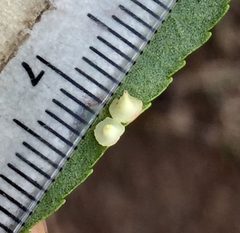
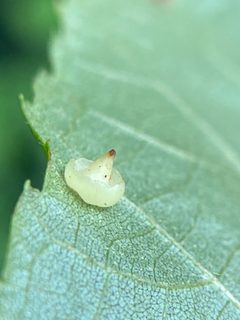
Caryomyia arcuata is a gall midge in the Cecidomyiidae, described by Gagné in 2008. It is known by the "Hickory Sombrero Gall Midge," referencing the distinctive gall structure it induces on hickory trees. As a member of the Caryomyia, this species is part of a group specialized in forming galls on Carya (hickory) species. The species has been documented through iNaturalist observations, indicating ongoing citizen science documentation of its occurrence.
Pronunciation
How to pronounce Caryomyia arcuata: /ˌkærioʊˈmaɪə ɑrˈkjuːətə/
These audio files are automatically generated. While they are not always 100% accurate, they are a good starting point.
Identification
Identification of Caryomyia arcuata requires examination of the gall it produces on hickory , specifically the "sombrero" shaped gall, as well as specimens. Accurate identification to level typically necessitates taxonomic expertise and reference to Gagné's 2008 description. The Caryomyia is distinguished from other cecidomyiid genera by host specificity to Carya and characteristic gall forms.
Images
Habitat
Associated with hickory trees (Carya ), the primary consists of deciduous forests and woodlands where hickory occurs. The microhabitat specifically involves hickory leaves where gall formation takes place.
Distribution
Documented distribution is based on iNaturalist observations, indicating presence in regions where hickory trees are native, primarily eastern North America. Specific range boundaries have not been formally established in published literature.
Diet
Larval stages feed on plant tissue within the gall structure on hickory leaves. feeding habits are unknown.
Host Associations
- Carya - gall induction plant for gall formation; specific hickory not documented in available sources
Life Cycle
As with other Cecidomyiidae, the involves , larval, pupal, and stages. Larvae develop within the sombrero-shaped gall on hickory leaves. Detailed life cycle timing and duration are not documented.
Ecological Role
As a gall inducer, this modifies hickory leaf tissue, creating a microhabitat that may support other organisms including and . The ecological impacts of this interaction on hickory have not been studied.
Human Relevance
The sombrero-shaped galls may attract attention from naturalists and citizen scientists. No economic significance to agriculture or forestry has been documented.
Similar Taxa
- Other Caryomyia speciesSame , same plant (Carya), with differentiation based on gall and morphological characters
- Other Cecidomyiidae on CaryaDifferent of gall midges may also induce galls on hickory; separation requires examination of gall structure and taxonomic expertise
More Details
Taxonomic note
The specific epithet "arcuata" (Latin for "arched" or "bowed") likely refers to the curved or arched shape of the sombrero gall. The was described by Raymond Gagné, a leading authority on Cecidomyiidae .
Observation record
As of the knowledge cutoff, iNaturalist records 51 observations of this , indicating it is documented but not extensively studied.