Stephomyia
Tavares, 1916
Species Guides
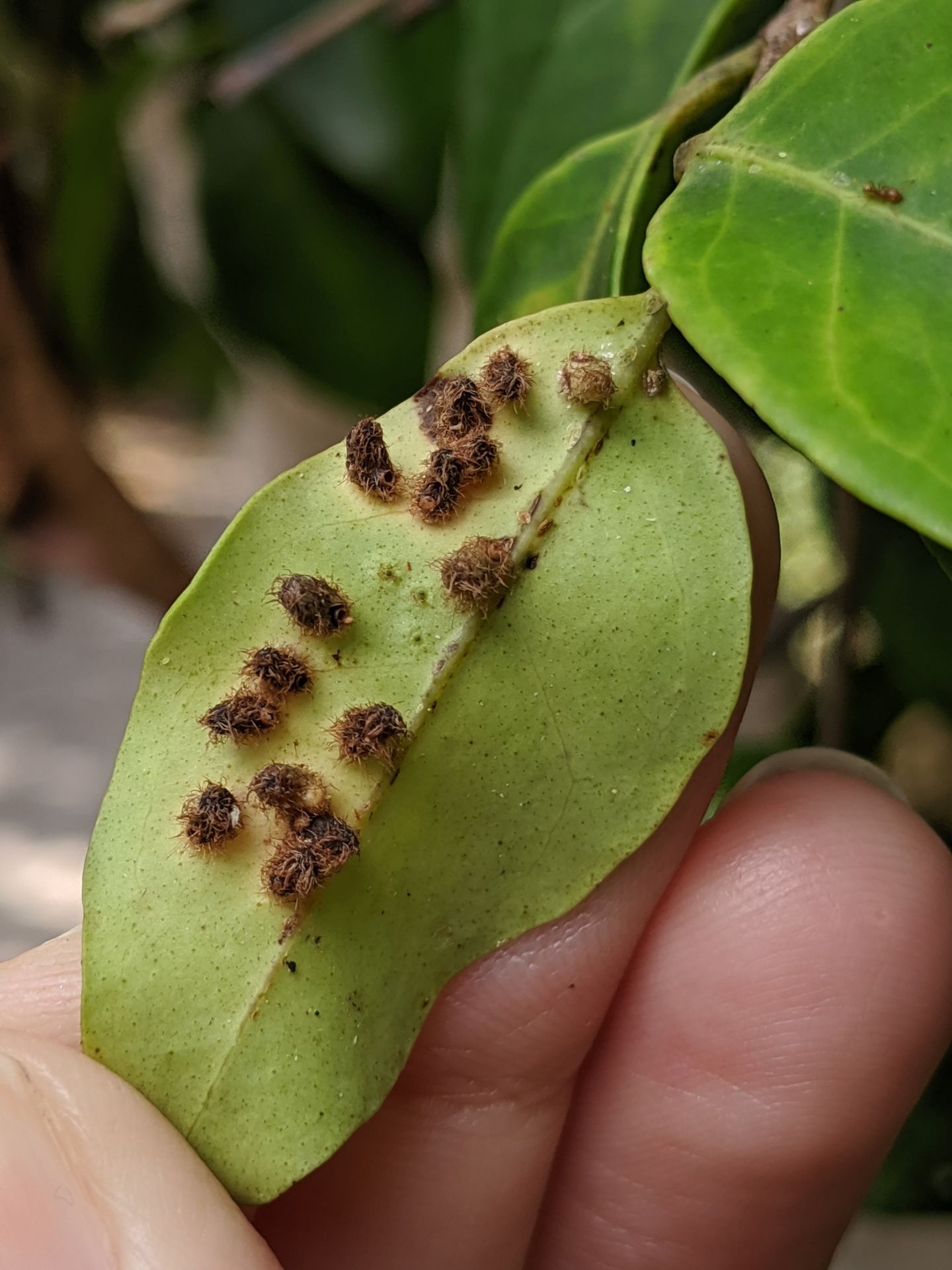
1Stephomyia is a of gall midges in the Cecidomyiidae, established by Tavares in 1916. The genus comprises seven described distributed in the Neotropical region, with six species from South America and one (S. eugeniae) from North America. All species are gall-formers that induce plant galls on Myrtaceae . A cladistic analysis based on morphological characters and host plant data supports the monophyly of the genus.
Pronunciation
How to pronounce Stephomyia: //ˌstɛfoʊˈmaɪə//
These audio files are automatically generated. While they are not always 100% accurate, they are a good starting point.
Images
Habitat
Neotropical region; associated with Myrtaceae plants in South American and North American (Florida) .
Distribution
Neotropical; South America and North America (USA, Florida). Six occur in South America; S. eugeniae is known from Florida.
Host Associations
- Eugenia - Five Stephomyia use Eugenia as plant
- Neomitranthes - S. mina uses Neomitranthes as plant
Life Cycle
Holometabolous with complete . Described life stages vary by : S. clavata known from male only; S. epeugeniae from male and female; S. espiralis from female and pupa; S. eugeniae from male, female and pupa; S. mina, S. rotundifoliorum, and S. tetralobae from male, female, pupa and larva. All species have described galls.
Behavior
All are gall-formers that induce plant galls on plants. Females possess a soft ovipositor shorter than the for oviposition.
Ecological Role
Gall-former on Myrtaceae; member of tribe Asphondyliini, subtribe Schizomyiina. Induces plant galls that may provide microhabitats for other organisms.
More Details
Phylogenetic relationships
Cladistic analysis supports Stephomyia monophyly with eight synapomorphies (five homoplastic, three non-homoplastic). S. clavata showed phylogenetic instability due to incomplete life stage data and was excluded from final analysis. Topology: S. mina as sister to a clade containing (S. eugeniae + S. epeugeniae) and (S. tetralobae (S. rotundifoliorum + S. espiralis)).
Data gaps
plant of S. clavata has not been determined. Complete data unavailable for S. clavata and S. epeugeniae.