
Polystepha
Kieffer, 1897
Species Guides
5Polystepha is a of gall midges in the Cecidomyiidae, established by Kieffer in 1897. The genus contains more than 20 described . Like other gall midges, species in this genus are likely associated with plant tissue modification, though specific biological details for most species remain poorly documented.
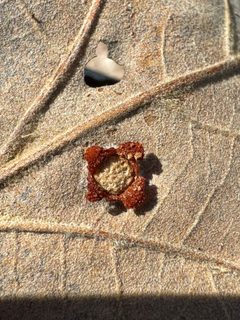
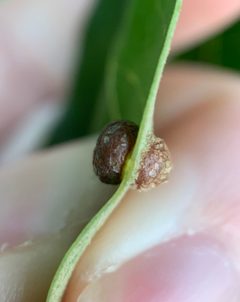
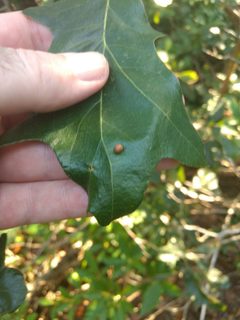
Pronunciation
How to pronounce Polystepha: //ˌpɑliˈstɛfə//
These audio files are automatically generated. While they are not always 100% accurate, they are a good starting point.
Identification
Identification to requires examination of morphological features characteristic of Cecidomyiidae, including reduced wing venation with few crossveins, bead-like with circumfilar loops, and reduced mouthparts. Distinction from other cecidomyiid genera depends on subtle characters of the antennae, genitalia, and larval gall , which require taxonomic expertise.
Images
Distribution
Records indicate presence in northern Europe (Denmark, Norway, Sweden) and North America (Vermont, United States). The high number of iNaturalist observations (17,040) suggests broader distribution than formal records indicate, though many of these may represent unidentified or misidentified specimens.
Similar Taxa
- Other Cecidomyiidae generaDistinguished by combinations of antennal segment number, shape of circumfilar loops, male genitalia structure, and larval gall ; definitive separation requires dissection and comparison with .
More Details
Taxonomic uncertainty
Despite the large number of iNaturalist observations attributed to this , formal taxonomic treatment and -level identification resources for Polystepha remain limited. The discrepancy between observation count and documented distribution suggests many records may not be verified to genus level.