Thereva hirticeps
Loew, 1874
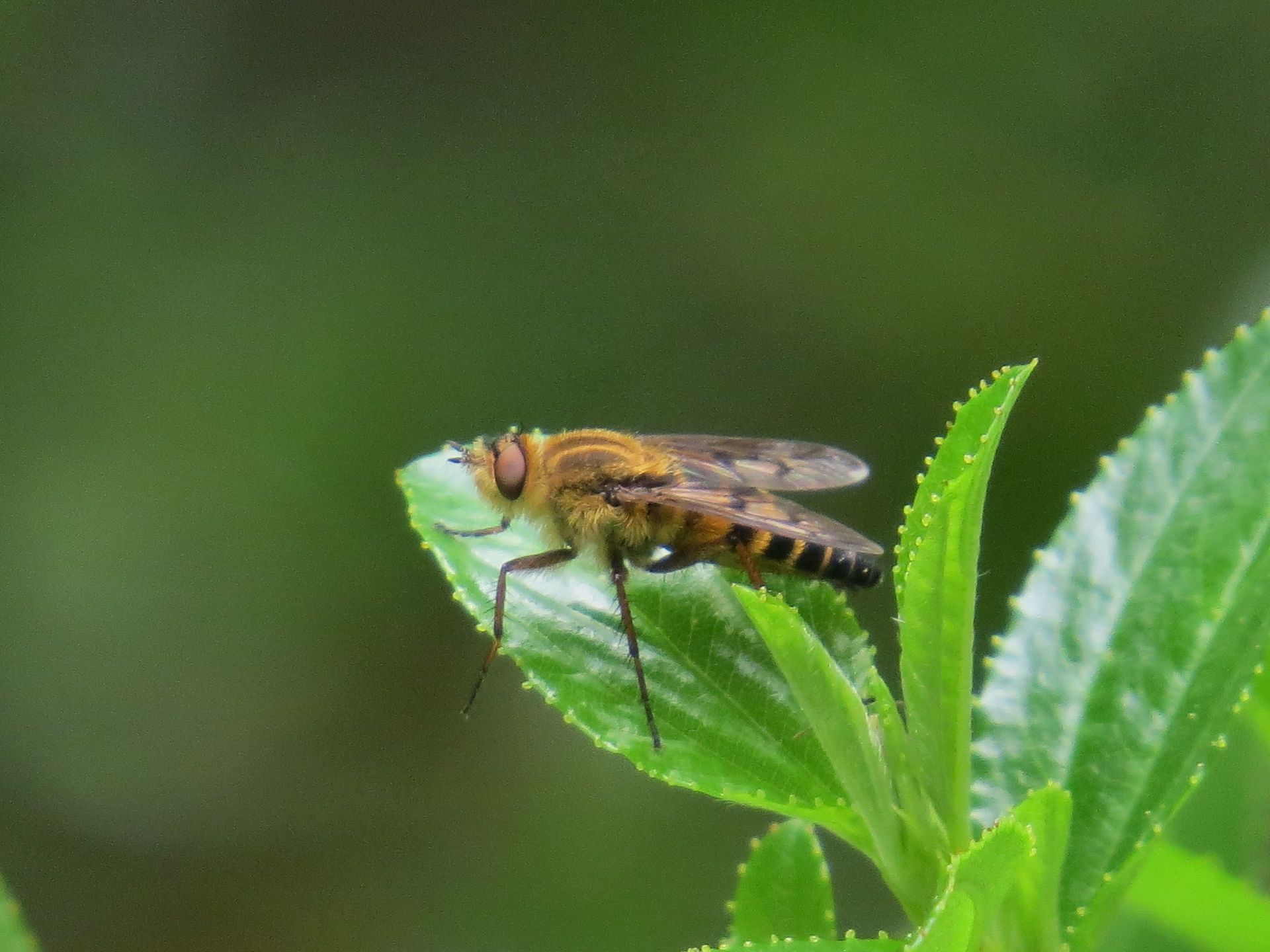
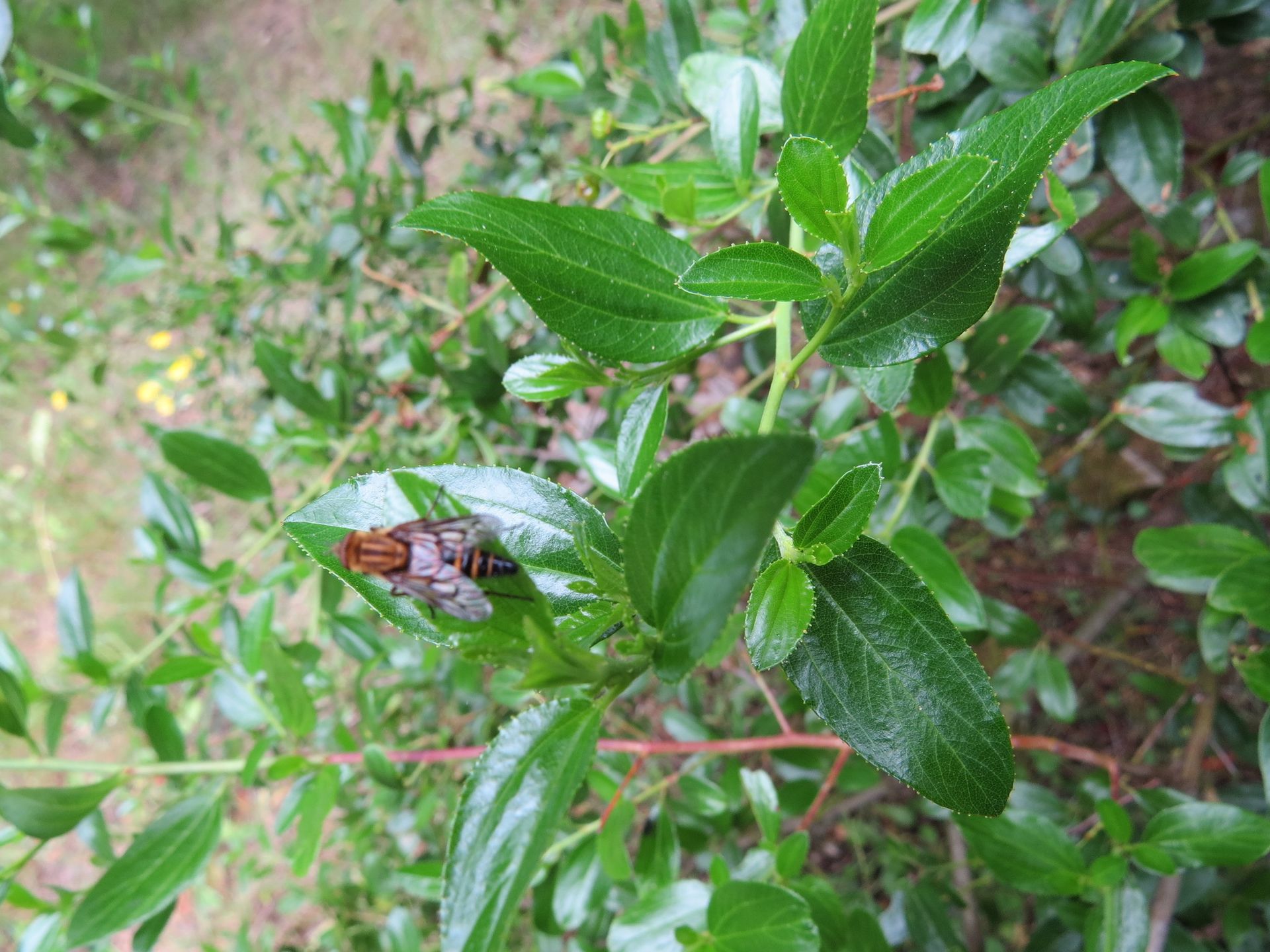
Thereva hirticeps is a of stiletto fly in the Therevidae, first described by Loew in 1874. Stiletto flies are predatory insects known for their distinctive elongated mouthparts and agile . The species epithet "hirticeps" refers to hairy characteristics. Very few observations of this species have been documented.
Pronunciation
How to pronounce Thereva hirticeps: /ˈθɪərəvə hɜrˈtɪsɛps/
These audio files are automatically generated. While they are not always 100% accurate, they are a good starting point.
Identification
Specific identification requires examination of setation , which distinguishes it from with less hairy heads. Male genitalia structure provides definitive -level identification in Therevidae. Distinguished from other Diptera by the combination of: elongated, forward-projecting ; three ocelli present; and characteristic wing venation with reduced anal lobe.
Images
Appearance
As a member of Thereva, likely possesses the characteristic stiletto fly body plan: slender, somewhat elongated body with long legs. The specific epithet "hirticeps" (hairy-headed) indicates dense setae on the region. are typically large and prominent in Therevidae. Wings are clear with reduced venation typical of the .
Distribution
Documented distribution is sparse due to limited observations. Based on Thereva patterns, likely occurs in temperate regions of the Northern Hemisphere, but specific range requires confirmation.
Behavior
of related Thereva are known to be fast, agile fliers that capture prey in . Larvae of the Therevidae are generally predatory in soil or decaying organic matter.
Ecological Role
As a predatory fly, likely contributes to control of small insects. Larval stages probably function as soil , though this requires confirmation for this .
Similar Taxa
- Other Thereva speciesRequire examination of setation and male genitalia for reliable separation; many are morphologically similar and frequently misidentified without dissection.
- Other Therevidae generaShare general stiletto fly but differ in specific structural features such as antennal shape, wing venation details, and leg proportions.
More Details
Taxonomic note
The specific epithet "hirticeps" is a compound of Latin "hirtus" (hairy, rough) and "ceps" (), directly describing a diagnostic morphological feature.
Data limitations
With only 9 observations in iNaturalist and minimal published literature, most biological details for this remain undocumented. Information presented here is extrapolated from -level characteristics where species-specific data is unavailable.