
Ozodiceromyia signatipennis
(Cole, 1923)
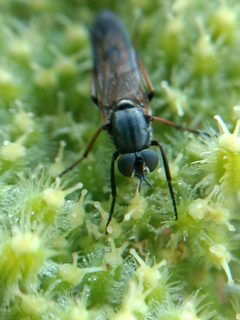
Ozodiceromyia signatipennis is a of stiletto fly in the Therevidae, originally described by Cole in 1923. The Ozodiceromyia belongs to the cycloteline Therevinae and is primarily distributed in the Americas. Species in this genus are typically associated with sandy or arid . Therevidae larvae are generally predatory, feeding on soil-dwelling , though specific biological details for O. signatipennis remain poorly documented. The species is distinguished by wing pattern characteristics referenced in its specific epithet.
Pronunciation
How to pronounce Ozodiceromyia signatipennis: /ˌɔzoʊdɪˈsɛroʊˌmaɪə sɪgnæˈtɪpɛnɪs/
These audio files are automatically generated. While they are not always 100% accurate, they are a good starting point.
Identification
Ozodiceromyia signatipennis can be distinguished from congeneric by the distinctive wing markings implied by its specific epithet "signatipennis" (marked wings). Within the Ozodiceromyia, species are typically separated by characters of the wing venation, male genitalia, and leg coloration. The species belongs to the mexicana-group of Ozodiceromyia, characterized by specific morphological traits of the terminalia and wing structure. Accurate identification requires examination of male genitalia and comparison with .
Images
Distribution
Ozodiceromyia signatipennis has been recorded from the southwestern United States and adjacent regions of Mexico. The Ozodiceromyia is primarily Nearctic and Neotropical in distribution, with most occurring in arid and semi-arid regions of western North America and Mexico.
Similar Taxa
- Ozodiceromyia mexicanaSimilar in the same species-group, distinguished by differences in wing pattern and male genitalia
- Other Ozodiceromyia speciesCongeneric with overlapping distribution, requiring careful examination of genitalic structures and wing markings for separation