
Amphicosmus elegans
Coquillett, 1891
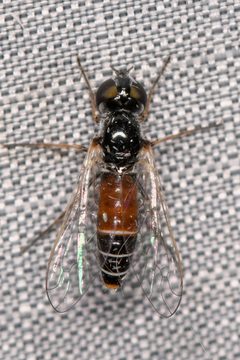
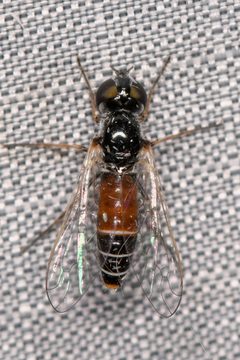
Amphicosmus elegans is a of bee fly in the Bombyliidae, described by Coquillett in 1891. It belongs to the Tomomyzinae and is placed in the Amphicosmus. The species is known from limited records, with only one observation documented in iNaturalist. Bee flies in this family are generally characterized by their stout, hairy bodies and long adapted for nectar feeding.
Pronunciation
How to pronounce Amphicosmus elegans: /æmˈfaɪkoʊzməs ˈɛlɪɡænz/
These audio files are automatically generated. While they are not always 100% accurate, they are a good starting point.
Images
More Details
Taxonomic Note
According to Catalogue of Life, Amphicosmus elegans is listed as a synonym, while GBIF treats it as an accepted . This taxonomic uncertainty reflects limited study of the species. The Amphicosmus contains multiple species, all within the bee fly Bombyliidae, a group known for their -like appearance and parasitic or predatory larval lifestyles.
Data Limitations
Minimal biological information is available for this . The single iNaturalist observation and absence of Wikipedia summary indicate it has received little scientific or public attention. Most information about the must be inferred cautiously from better-studied relatives.
Sources and further reading
- BugGuide
- GBIF taxonomy match
- iNaturalist taxon
- Catalogue of Life
- Bring on the Tourists! | Bug Squad
- More Nematodes in Outer Space? | Bug Squad
- Showcasing Animal and Plant Parasitic Nematodes | Bug Squad
- Don't Miss the Nematode Collection at UC Davis Biodiversity Museum Day Feb. 10 | Bug Squad
- UC Davis Speaker: Fatma Kaplan, A Go-Getter and Maybe a Genius | Bug Squad
- Bug Eric: Wasp Wednesday: Steniolia elegans