
Neacreotrichus
Cockerell, 1917
Species Guides
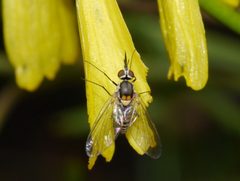
1Neacreotrichus is a of bee flies (Bombyliidae) comprising approximately 13 described . The genus was established by Theodore Dru Alison Cockerell in 1917. Species are found in the southwestern United States and Mexico. Members are small-bodied bee flies that have been documented in arid and semi-arid environments.
Pronunciation
How to pronounce Neacreotrichus: /niːˌækrioʊˈtraɪkəs/
These audio files are automatically generated. While they are not always 100% accurate, they are a good starting point.
Identification
Neacreotrichus are distinguished from other bee fly by their small size. They belong to the Phthiriinae, tribe Phthiriini. Specific diagnostic characters for genus-level identification require examination of wing venation, structure, and other morphological features typical of the tribe.
Images
Habitat
in this have been observed in arid and semi-arid environments, including the Sonoran Desert. The type locality and documented occurrences suggest association with desert scrub and adjacent in the southwestern United States and Mexico.
Distribution
United States (southwestern states) and Mexico.
Seasonality
have been observed in spring, with records from April in the Sonoran Desert region. Detailed seasonal patterns across all remain undocumented.
Ecological Role
As bee flies, likely function as . Larval stages of related in Phthiriinae are of other insects, though specific for Neacreotrichus remain unconfirmed.
Similar Taxa
- Other Phthiriinae generaShares characteristics including reduced wing venation and small body size; distinguished by -specific morphological features.
- DiadasiaBoth occur in similar desert and may be found visiting similar flowers; Diadasia is a of bees (Hymenoptera) rather than flies, with two pairs of wings and different body structure.
More Details
Taxonomic history
The was described by Cockerell in 1917. It is currently classified in the tribe Phthiriini within Phthiriinae.
Research needs
Basic including larval , complete inventories, and detailed distribution records remain poorly documented for most species.