
Geminaria
Coquillett, 1894
Species Guides
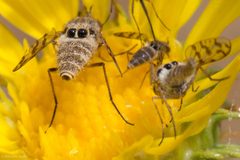
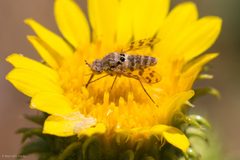
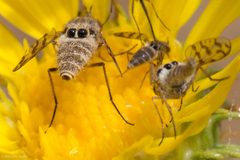
2Geminaria is a of bee flies ( Bombyliidae) containing two described : G. canalis and G. pellucida. The genus was transferred from Bombyliinae to Lordotinae in 2019 based on phylogenetic research. These flies are part of the diverse bee fly fauna of North America.
Pronunciation
How to pronounce Geminaria: /d͡ʒɛˌmɪˈnɑːriə/
These audio files are automatically generated. While they are not always 100% accurate, they are a good starting point.
Identification
Members of Geminaria can be distinguished from other bee fly by their placement in the Lordotinae. The two , G. canalis and G. pellucida, differ in their original descriptions but specific diagnostic features require examination of . Identification to species level relies on subtle morphological differences in wing venation and body proportions.
Images
Distribution
North America. Geminaria canalis and G. pellucida were both described from specimens collected in the United States.
Ecological Role
As bee flies, likely function as while larvae are presumed of other insects, consistent with the strategy of Bombyliidae. The specific for Geminaria remain undocumented.
Similar Taxa
- Other Bombyliinae generaPreviously classified in Bombyliinae; distinguished by 2019 transfer to Lordotinae based on phylogenetic analysis
- Other Lordotinae generaShare placement but differ in specific morphological characters; Lordotinae is a smaller subfamily with limited documented diversity
More Details
Taxonomic history
The was originally described by Coquillett in 1894 and placed in Bombyliinae. A 2019 phylogenetic study reassigned it to Lordotinae, reflecting improved understanding of bee fly evolutionary relationships.
Species diversity
Only two are currently recognized: Geminaria canalis (Coquillett, 1887) and Geminaria pellucida Coquillett, 1894. Both were described by the same entomologist who established the .