
Psilonyx annulatus
(Say, 1823)
Ringed Pixie
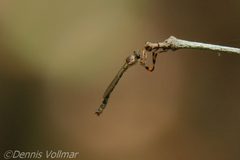
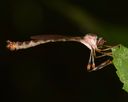
Psilonyx annulatus is a small of robber fly ( Asilidae) commonly known as the Ringed Pixie. The species was first described by Thomas Say in 1823 and is widely distributed across North America. Robber flies in this are diminutive that hunt small flying insects.
Pronunciation
How to pronounce Psilonyx annulatus: //sɪˈlɒnɪks ænjuˈleɪtəs//
These audio files are automatically generated. While they are not always 100% accurate, they are a good starting point.
Identification
The combination of small size and distinctly banded wings separates Psilonyx annulatus from most other North American robber flies. The wing bands are the most reliable field mark. Similar small asilids in the Leptogaster and Microstylum lack the bold transverse wing bands. The genus Psilonyx can be distinguished from related small asilid genera by wing venation details and the structure of the male terminalia, though these require microscopic examination.
Images
Appearance
A small robber fly with distinctive banded or ringed wings that give the its . The body is slender and typically 5-10 millimeters in length. The wing pattern features dark transverse bands that create a striking visual effect in . Coloration varies but generally includes combinations of black, white, and yellowish markings. The is dominated by large typical of predatory flies. Legs are relatively long and spiny, adapted for seizing prey in mid-air.
Habitat
Found in open including grasslands, meadows, forest edges, and disturbed areas. Often associated with herbaceous vegetation where small flying insect prey is abundant. The appears to favor sunny, open situations rather than dense shade.
Distribution
Widely distributed across North America. Records span from southern Canada through the United States and into Mexico. The has been documented in at least 337 iNaturalist observations, indicating it is relatively common and well-represented in citizen science data. Specific state and provincial records include areas throughout the eastern, central, and western United States.
Seasonality
are active during the warmer months, typically from late spring through summer. Exact varies by latitude, with southern active earlier and longer than northern ones. The likely has one or more per year depending on climate.
Diet
Predatory on small flying insects. Like other robber flies, Psilonyx annulatus hunts by perching on vegetation and making short to capture passing prey. Specific prey records are limited for this , but related small asilids take small Diptera, Hymenoptera, and other minute insects.
Life Cycle
Complete with , larva, pupa, and stages. Larvae are presumably soil-dwelling or scavengers, as in other Asilidae, though specific details of the stages are not well documented. Adults are the most frequently observed life stage.
Behavior
Perches on low vegetation to watch for prey. Makes short, rapid to capture small insects. Often returns to the same perch after hunting. Males are known to engage in aerial pursuit of females for mating. The is and most active in bright sunlight.
Ecological Role
of small flying insects, contributing to natural control of of various minute arthropods. Serves as prey for larger predatory insects, spiders, and birds. Part of the diverse asilid fauna that occupies the small-predator in open .
Human Relevance
No direct economic importance. Occasionally noticed by insect enthusiasts and photographers due to its distinctive wing pattern. Like most robber flies, it is not harmful to humans and does not bite unless handled roughly.
Similar Taxa
- Leptogaster spp.Similar small size and slender build, but lack banded wings and have different wing venation
- Microstylum spp.Small asilids that may overlap in but lack the distinctive ringed wing pattern
- Other Psilonyx speciesP. annulatus is the most widespread and commonly encountered member of the in North America; other have more restricted distributions and may differ in color pattern
More Details
Taxonomic History
Originally described as Leptogaster annulatus by Thomas Say in 1823, later transferred to the Psilonyx. The genus name derives from Greek roots referring to the bare or smooth characteristic of these flies.
Etymology
The specific epithet 'annulatus' refers to the ringed or banded wing pattern. The 'Ringed Pixie' alludes to both the wing bands and the small, delicate appearance of this robber fly.
Sources and further reading
- BugGuide
- Wikipedia
- GBIF taxonomy match
- iNaturalist taxon
- NCBI Taxonomy
- Catalogue of Life
- Encyrtid Holdings | Entomology Research Museum
- Managing External Parasites of Texas Cattle - AgriLife Extension Entomology
- Bug Eric: Wasp Wednesday: Euodynerus annulatus
- Organic Dust Takes a Bite Out of Ticks
- Bug Eric: August 2012
- New species and a review of the genus Tragidion | Beetles In The Bush