
Psilonyx
Aldrich, 1923
Species Guides
1- Psilonyx annulatus(Ringed Pixie)
Psilonyx is a of robber flies in the Asilidae, established by Aldrich in 1923. The genus contains approximately 14 described . As members of Asilidae, species in this genus are predatory flies, though specific biological details for most Psilonyx species remain poorly documented.
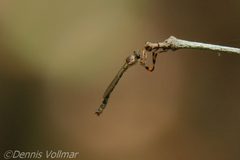
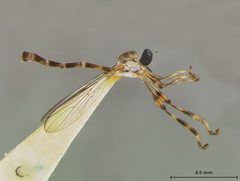
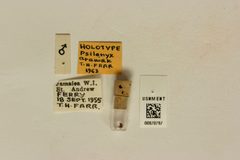
Pronunciation
How to pronounce Psilonyx: /ˈsaɪlɒnɪks/
These audio files are automatically generated. While they are not always 100% accurate, they are a good starting point.
Identification
Identification to level requires examination of morphological characters typical of Asilidae, including the mystax (bristles on the ), leg spination, and wing venation. -level identification within Psilonyx depends on subtle differences in genitalia, body proportions, and coloration patterns. Distinguishing Psilonyx from related asilid genera such as Efferia or Promachus requires knowledge and reference to original species descriptions.
Images
Ecological Role
As predatory insects, in Psilonyx likely function as of other arthropods, contributing to of prey species. The participates in the diverse predator guild of Asilidae, which are among the most significant aerial predators in many terrestrial .
Similar Taxa
More Details
Taxonomic History
The was erected by John Merton Aldrich in 1923. The etymology of the name Psilonyx derives from Greek 'psilos' (bare, smooth) and 'onyx' (claw, talon), likely referring to a diagnostic morphological feature of the .
Research Status
Despite containing 14 described , Psilonyx has received limited focused study. Most species descriptions date to the early-to-mid 20th century, and modern phylogenetic relationships within the remain unresolved. The group would benefit from revisionary work combining morphological and molecular data.