
Pseudorus
Walker, 1851
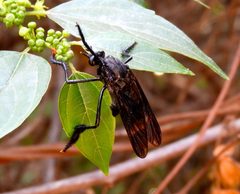
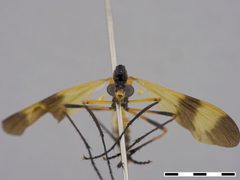
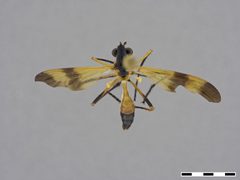
Pseudorus is a of robber flies (Asilidae) established by Walker in 1851. Members of this genus belong to the tribe Megapodini within the Dasypogoninae. The genus is characterized by large-bodied flies with notably enlarged hind , a trait reflected in its tribal affiliation. As with other Asilidae, in this genus are predatory as .
Pronunciation
How to pronounce Pseudorus: //sjuˈdoʊɹəs//
These audio files are automatically generated. While they are not always 100% accurate, they are a good starting point.
Identification
Distinguished from other Dasypogoninae by enlarged hind , a diagnostic feature of the tribe Megapodini. Separation from related within Megapodini (such as Megapoda and Promachus) requires examination of specific characters including leg spination patterns, facial mystax and arrangement, and details of male terminalia. Specific identification criteria for Pseudorus versus other Megapodini genera are not well documented in readily accessible literature.
Images
Distribution
The has been recorded from the Neotropical region. Specific country records and range boundaries are not comprehensively documented.
Similar Taxa
- MegapodaAlso in tribe Megapodini with enlarged hind ; distinguished by differences in leg spination and genitalic structure
- PromachusShares tribe Megapodini; generally larger with different facial and thoracic bristle patterns
More Details
Taxonomic placement
Pseudorus is placed in the tribe Megapodini, which is characterized by the distinctive enlarged hind that give the tribe its name. The phylogenetic relationships within this tribe remain incompletely resolved.
Data availability
The is poorly represented in biological databases, with limited -level information, few specimen records, and minimal published natural history observations.