
Blepharepium
Rondani, 1848
Species Guides
2- Blepharepium priapus
- Blepharepium sonorensis(Sonora Hanging Thief)
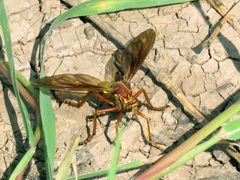
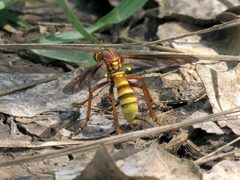
Blepharepium is a of robber flies (Asilidae) established by Rondani in 1848, comprising approximately 15 described . As members of the diverse predatory Asilidae, these flies are aerial of other insects. The genus has been documented through 418 iNaturalist observations, though specific species-level details remain limited in publicly available sources.

Pronunciation
How to pronounce Blepharepium: //blɛfəˈriːpiəm//
These audio files are automatically generated. While they are not always 100% accurate, they are a good starting point.
Identification
As robber flies, members of Blepharepium share -level diagnostic features: a deep concave depression between the at the top of the (the vertex), and a mystax of stiff bristles on the . The stout, beak-like is often visible beneath the facial hairs. These traits distinguish them from similar-appearing mydas flies (Mydidae) and dance flies (Empididae). Specific characters distinguishing Blepharepium from other asilid are not detailed in available sources.
Images
Ecological Role
As predatory members of Asilidae, in this function as aerial of other insects, contributing to regulation of insect . The is known for capturing prey in and feeding on liquefied internal tissues.
Similar Taxa
- Mydidae (mydas flies)Similar large, robust body form; distinguished by the absence of the deep concave vertex and mystax characteristic of Asilidae
- Empididae (dance flies)Similar predatory habits and appearance in some ; distinguished by different and lack of the distinctive facial mystax
More Details
Taxonomic history
The was established by Italian entomologist Camillo Rondani in 1848. The name Blepharepium derives from Greek roots likely referring to eyelid or eyelash features (blepharon), possibly alluding to the prominent mystax.
Data availability
While the is recognized in major taxonomic databases (GBIF, Catalogue of Life, NCBI), -level information appears sparse in accessible literature. The 418 iNaturalist observations suggest field recognition is possible, but detailed biological studies are not readily available.