
Tetratoma
Fabricius, 1790
Species Guides
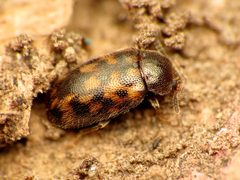
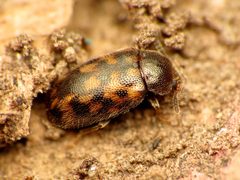
3- Tetratoma concolor(Polypore fungus beetle)
- Tetratoma tessellata
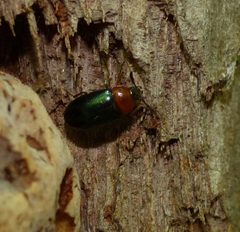
- Tetratoma truncorum
Tetratoma is a of polypore fungus beetles comprising approximately 25 described . These small beetles are associated with wood-decaying fungi and are members of the Tetratomidae within the superfamily Tenebrionoidea. The genus was established by Fabricius in 1790 and is primarily distributed across northern and temperate regions of the Palearctic.
Pronunciation
How to pronounce Tetratoma: /ˌtɛtrəˈtoʊmə/
These audio files are automatically generated. While they are not always 100% accurate, they are a good starting point.
Identification
Members of Tetratoma are small beetles, generally 3–5 mm in length. They can be distinguished from related in Tetratomidae by the structure of the , which have a distinct club with three enlarged terminal segments. The body is typically elongate-oval and somewhat flattened. Identification to level requires examination of genitalia and detailed microsculpture of the .
Images
Habitat
Tetratoma inhabit forested environments where they are found in association with fruiting bodies of polypore fungi (Basidiomycota), particularly on decaying wood of hardwood trees. They are typically collected from the undersides of bracket fungi or within the porous hymenial surface of polypores.
Distribution
The is recorded from northern Europe (Denmark, Norway, Sweden) and has a broader Palearctic distribution. Specific ranges vary, with some restricted to or montane forests.
Seasonality
activity peaks during summer months when fungi are actively fruiting. Some may be found from late spring through early autumn depending on local climate and fungal .
Diet
Larvae and feed on the mycelium and spore-producing tissues of polypore fungi. The precise nutritional relationship—whether primarily mycophagous or involving fungal decay products—has not been fully characterized for most .
Host Associations
- Polyporaceae - food sourcebracket fungi on decaying wood
Life Cycle
Larval development occurs within the fruiting bodies of fungi. The complete from to likely spans one year, though specific timing varies by and latitude. occurs within the fungal substrate or adjacent wood.
Behavior
are cryptic and remain concealed within the porous surface of bracket fungi during daylight hours. They are capable of and have been observed dispersing to new fungal substrates. When disturbed, they may feign death or retreat deeper into fungal pores.
Ecological Role
Tetratoma contributes to nutrient cycling in forest through consumption and processing of fungal . The may serve as prey for small within the microhabitat of decaying wood .
Human Relevance
No direct economic importance. The is occasionally encountered by mycologists and entomologists during fungal surveys. Some may serve as indicators of old-growth forest conditions due to specific requirements.
Similar Taxa
- Tetratomidae (other genera)Other in the same (e.g., Euryoma, Hallomenus) share similar size and but differ in antennal structure and body proportions
- MycetophagidaeHairy fungus beetles occupy similar but have more elongate bodies and different antennal club structure
More Details
Taxonomic history
Tetratoma was long classified within Melandryidae or as a distinct near Ciidae. Molecular phylogenetic studies have confirmed its placement within Tenebrionoidea as the family Tetratomidae, closely related to Melandryidae and Mordellidae.
Conservation
Several European are of conservation concern due to loss from intensive forestry practices that reduce dead wood availability and old-growth forest structure.