
Hallomenus serricornis
LeConte, 1877
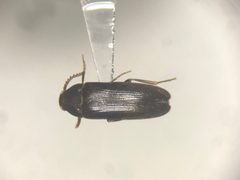
Hallomenus serricornis is a of polypore fungus beetle in the Tetratomidae, described by John Lawrence LeConte in 1877. The Hallomenus is one of several small genera within Tetratomidae, a family of beetles associated with wood-decaying fungi. This species is known from western and central Canada, with records from Alberta, British Columbia, and Manitoba. Tetratomidae beetles are generally small and inconspicuous, with most species poorly studied due to their cryptic habits.
Pronunciation
How to pronounce Hallomenus serricornis: //həˈlɒmɛnəs ˌsɛrɪˈkɔːrnɪs//
These audio files are automatically generated. While they are not always 100% accurate, they are a good starting point.
Identification
Distinguished from other Tetratomidae by the serrated antennal structure implied by the . Separation from congeneric requires examination of male genitalia and detailed antennal . The Hallomenus is distinguished from related tetratomids by antennal club structure and body proportions.
Images
Habitat
Associated with forested environments where wood-decaying fungi occur; specific microhabitat preferences for this are undocumented.
Distribution
Recorded from western and central Canada: Alberta, British Columbia, and Manitoba. The broader North American distribution requires further documentation.
Diet
Larvae and of Tetratomidae are generally associated with polypore fungi (Basidiomycota), though specific records for H. serricornis are not published.
Host Associations
- Polyporales - unknown life stage association-level association inferred from Tetratomidae , not confirmed for this
Ecological Role
As with other Tetratomidae, likely contributes to nutrient cycling in forest through association with wood-decay fungi.
Human Relevance
None documented. Not a pest .
Similar Taxa
- Hallomenus axillarisCongeneric with which it shares antennal characteristics; distinguished by details of antennal serration and male genitalia
- Other Tetratomidae genera (Tetratoma, Eustrophus)Similar small size and fungivorous habits; distinguished by antennal structure and body form
More Details
Taxonomic note
The Tetratomidae has undergone significant taxonomic revision, having been treated historically as a of Melandryidae. Current classification recognizes Tetratomidae as a distinct family within Tenebrionoidea.
Data deficiency
This is known from very few specimens. The single iNaturalist observation and limited GBIF records indicate it is rarely encountered, possibly due to cryptic habits rather than rarity.