
Hallomenus scapularis
Melsheimer, 1846
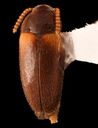
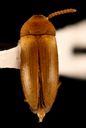
Hallomenus scapularis is a of polypore fungus beetle in the Tetratomidae, first described by Melsheimer in 1846. It is found in North America, with records from Canada (British Columbia, Nova Scotia, Ontario) and the United States. The species belongs to a small family of beetles associated with fungal .
Pronunciation
How to pronounce Hallomenus scapularis: /həˈlɒmɪnəs skəˈpjuːlərɪs/
These audio files are automatically generated. While they are not always 100% accurate, they are a good starting point.
Images
Habitat
Associated with polypore fungi, as indicated by its common designation as a 'polypore fungus beetle'. Specific microhabitat details are not documented.
Distribution
North America. Documented from British Columbia, Nova Scotia, and Ontario in Canada; distribution in the United States is not specified in available sources but presumed present.
Diet
Associated with polypore fungi; specific feeding habits (whether on fungal tissue, spores, or other components) are not documented.
Host Associations
- Polypore fungi - associated with indicates association with bracket fungi (Polyporales), but specific or are not documented.
More Details
Taxonomic note
The Hallomenus is placed in the Tetratomidae, a small family of cucujiform beetles. Tetratomidae was historically treated as a of Melandryidae but is now recognized as a distinct family. The family includes associated with fungi and decaying wood.
Sources and further reading
- BugGuide
- Wikipedia
- GBIF taxonomy match
- iNaturalist taxon
- Just in the tick of time: American dog tick, Dermacentor variabilis, and Black-legged tick, Ixodes scapularis — Bug of the Week
- Another Invasive Mosquito Species Arrives in Florida
- In the Southern U.S., Young Blacklegged Ticks' Habitat is a Mystery
- Cold weather arrives but don’t let your guard down for a tick attack: Blacklegged tick, Ixodes scapularis — Bug of the Week
- An Up-Close Look at the Tiny Sensory Pits That Ticks Use to Smell
- In Mississippi, Blacklegged Ticks' Seasonal Shift Deemed "Very Strange"