
Eustrophus tomentosus
Say, 1826
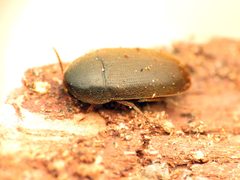
Eustrophus tomentosus is a of polypore fungus beetle in the Tetratomidae, found in North America. It is characterized by abundant yellowish-orange setae covering the surface. The species can be distinguished from related by the absence of a prothoracic episternal transverse . As a member of the polypore fungus beetles, it is associated with bracket fungi in forested .
Pronunciation
How to pronounce Eustrophus tomentosus: //juˈstrɒfəs ˌtoʊmɛnˈtoʊsəs//
These audio files are automatically generated. While they are not always 100% accurate, they are a good starting point.
Identification
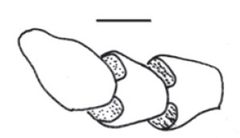
Distinguished from Eustrophopsis by the absence of a prothoracic episternal transverse . The dense yellowish-orange setae covering the are characteristic and aid in field recognition. As a polypore fungus beetle, it may be found in association with bracket fungi on decaying wood, separating it from superficially similar beetles in other .
Images
Appearance
Covered with abundant yellowish-orange setae throughout the surface, giving a tomentose (densely hairy) appearance. Body form typical of Tetratomidae. Specific size measurements not documented in available sources.
Habitat
Forest , specifically associated with polypore (bracket) fungi growing on decaying wood. The inhabits areas where fungal fruiting bodies are present, which serve as food resources and microhabitats.
Distribution
North America. Specific records from Canada include British Columbia, Manitoba, and New Brunswick.
Diet
Associated with polypore fungi (bracket fungi), suggesting a mycophagous diet. Specific feeding habits on fungal tissues not documented in detail.
Host Associations
- Polypore fungi - food sourceBracket fungi on decaying wood; specific fungal not documented
Ecological Role
Member of the fungal feeding guild in forest . As a polypore fungus beetle, contributes to nutrient cycling by consuming fungal tissues and potentially aiding in spore .
Similar Taxa
- EustrophopsisLacks the prothoracic episternal transverse present in Eustrophopsis; similar body form and association
More Details
Taxonomic note
The specific epithet 'tomentosus' refers to the dense, matted hair-like covering (tomentum) on the body surface, which is a conspicuous diagnostic feature of this .