
Neatus
LeConte, 1862
Species Guides
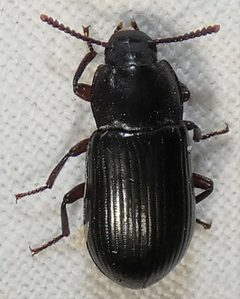
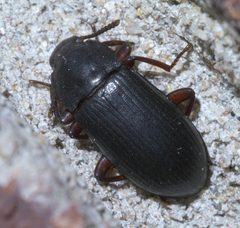
2- Neatus tenebrioides(Forest Darkling Beetle)
- Neatus
Neatus is a of darkling beetles ( Tenebrionidae) established by LeConte in 1862. The genus contains at least five described distributed across the Holarctic Region, including N. turcicus from southern Türkiye, N. noctivagus (newly recorded from Greece and Türkiye), N. picipes, N. subaequalis, and N. tenebrioides from North America. The genus is notable for its association with old oak and for serving as a for specialized mites.
Pronunciation
How to pronounce Neatus: //ˈneɪtəs//
These audio files are automatically generated. While they are not always 100% accurate, they are a good starting point.
Identification
Neatus can be distinguished using morphological characters of the male ; a key to all Holarctic species has been developed incorporating these characters. The is closely related to other Tenebrionini but specific external diagnostic features for the genus itself are not documented in available sources.
Images
Habitat
Old oak forests; specifically documented from old oak in Türkiye during the Turkish Oak Habitat Project.
Distribution
Holarctic Region: southern Türkiye (provinces of Adana, Isparta, Konya, Mersin), Greece, and North America. GBIF records indicate presence in Norway and Sweden.
Similar Taxa
- N. noctivagusClosely related to N. turcicus; distinguished by
- N. subaequalisClosely related to N. turcicus; distinguished by
Sources and further reading
- BugGuide
- Wikipedia
- GBIF taxonomy match
- iNaturalist taxon
- NCBI Taxonomy
- Catalogue of Life
- An Unusual Parantennuloid, Philodana johnstoni n.g., n. sp. (Acari: Parasitiformes: Philodanidae, n. fam.) Associated with Neatus tenebrioides (Coleoptera: Tenebrionidae) in North America
- A new species of the genus Neatus J. L. Leconte, 1862 (Coleoptera: Tenebrionidae: Tenebrionini) from Türkiye, with new country records and a key to holarctic species