
Scotobaenus
LeConte, 1859
Species Guides
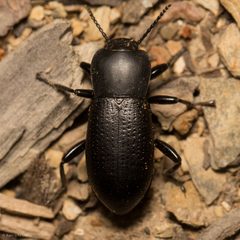
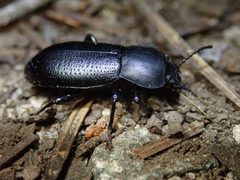
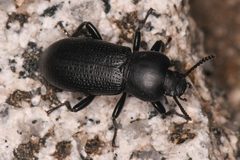
1Scotobaenus is a of darkling beetles in the Tenebrionidae, established by LeConte in 1859. in this genus are found in the Nearctic region, with records primarily from western North America. The genus is part of the large and diverse darkling beetle family, whose members are generally associated with arid and semi-arid environments. Scotobaenus species are ground-dwelling beetles, though specific ecological details for the genus remain limited in published literature.
Pronunciation
How to pronounce Scotobaenus: //ˌskɒtoʊˈbiːnəs//
These audio files are automatically generated. While they are not always 100% accurate, they are a good starting point.
Identification
Scotobaenus can be distinguished from other Tenebrionidae by combinations of characters including body form, antennal structure, and pronotal shape. Specific diagnostic features require examination of and reference to original descriptions by LeConte and subsequent revisions. The genus is not readily identifiable to non- without detailed morphological analysis.
Images
Habitat
in this have been collected in arid and semi-arid regions of western North America, including desert and scrubland environments. Specific microhabitat preferences are poorly documented but likely include ground-level substrates such as soil, leaf litter, and beneath rocks or debris.
Distribution
Nearctic region, with records from western North America including the southwestern United States and adjacent areas of Mexico.
Ecological Role
As ground-dwelling beetles, Scotobaenus likely contribute to nutrient cycling and soil dynamics in arid , though specific ecological functions have not been documented.
Similar Taxa
- Other Tenebrionidae generaMany darkling beetle share similar body plans and coloration; Scotobaenus requires examination of genitalic and other subtle morphological characters for definitive separation.
More Details
Taxonomic history
The was established by John Lawrence LeConte in 1859 based on specimens from western North America. The group has received limited modern taxonomic revision, and boundaries may require reevaluation with contemporary methods.
Data limitations
Despite 225 iNaturalist observations, published biological and ecological information for Scotobaenus remains sparse. Most records represent opportunistic collections rather than systematic study, limiting understanding of -level traits.