
Xylopinus
LeConte, 1862
Species Guides
2- Xylopinus aenescens
- Xylopinus saperdoides(Decaying Darkling Beetle)
Xylopinus is a of darkling beetles in the Tenebrionidae, established by LeConte in 1862. The genus contains at least three described distributed in North America. Members of this genus are part of the diverse darkling beetle fauna, which are generally associated with dry or decaying organic matter. The genus name suggests an association with wood (from Greek xylon, meaning wood), though specific preferences for Xylopinus species are not well documented.
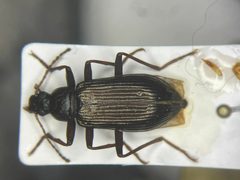
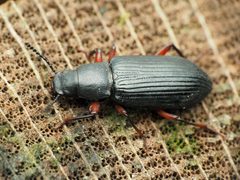
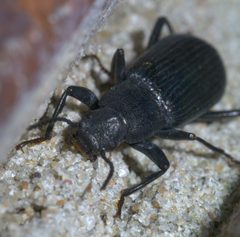
Pronunciation
How to pronounce Xylopinus: //zaɪˈlɒpɪnəs//
These audio files are automatically generated. While they are not always 100% accurate, they are a good starting point.
Identification
Xylopinus can be distinguished from other Tenebrionidae by their elongated, somewhat cylindrical body form and relatively smooth . The genus is characterized by that are not strongly clubbed and pronotal shapes that differ from the more rounded forms seen in related genera such as Eleodes. Species-level identification requires examination of male genitalia and subtle differences in elytral and coloration.
Images
Habitat
Xylopinus have been collected in association with woody debris and forest floor litter. Records indicate presence in deciduous and mixed forest environments. Specific microhabitat preferences remain poorly documented for most species.
Distribution
Documented from eastern and central North America, with records from Vermont and other United States localities. The three described (X. aenescens, X. saperdoides, and X. saperioides) show overlapping ranges in the eastern United States.
Seasonality
activity has been recorded during spring through fall months, with peak observations in summer. Specific phenological data for individual is limited.
Behavior
are and ground-dwelling, seeking shelter under bark, logs, or stones during daylight hours. When disturbed, individuals may exhibit (death-feigning ), a common defensive response in Tenebrionidae.
Ecological Role
As saprophagous beetles, Xylopinus contribute to decomposition of woody plant material and forest floor organic matter. They serve as prey for small vertebrates and in forest .
Human Relevance
No direct economic importance. Occasionally encountered by entomologists and naturalists in forest . Not known to be a pest of stored products or structures.
Similar Taxa
- EleodesBoth are elongate Tenebrionidae with similar overall proportions, but Eleodes typically have more strongly rounded pronota and often exhibit the characteristic '-standing' defensive posture when alarmed, which Xylopinus does not perform.
- BlapstinusSmall darkling beetles with similar body form, but Blapstinus are generally smaller with more convex and different antennal structure.
More Details
Nomenclatural Note
Xylopinus saperdoides and X. saperioides appear to represent the same with variant spellings in original descriptions (Olivier, 1795). The spelling saperdoides is now generally accepted, though both forms appear in literature and databases.
Taxonomic History
The was established by John Lawrence LeConte in 1862 based on previously assigned to other tenebrionid genera. The type species is Xylopinus saperdoides.