Polopinus
Casey, 1924
Species Guides
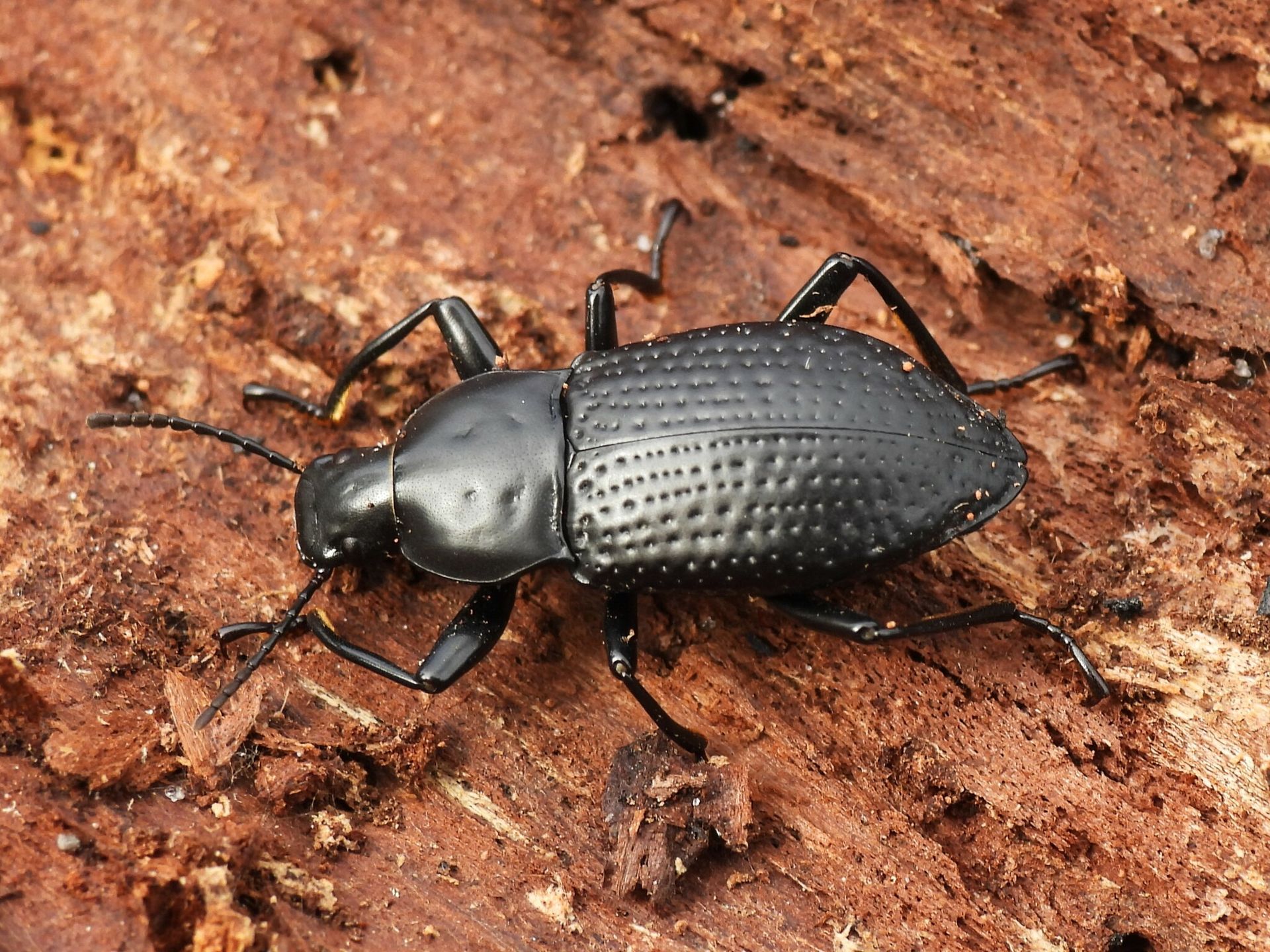
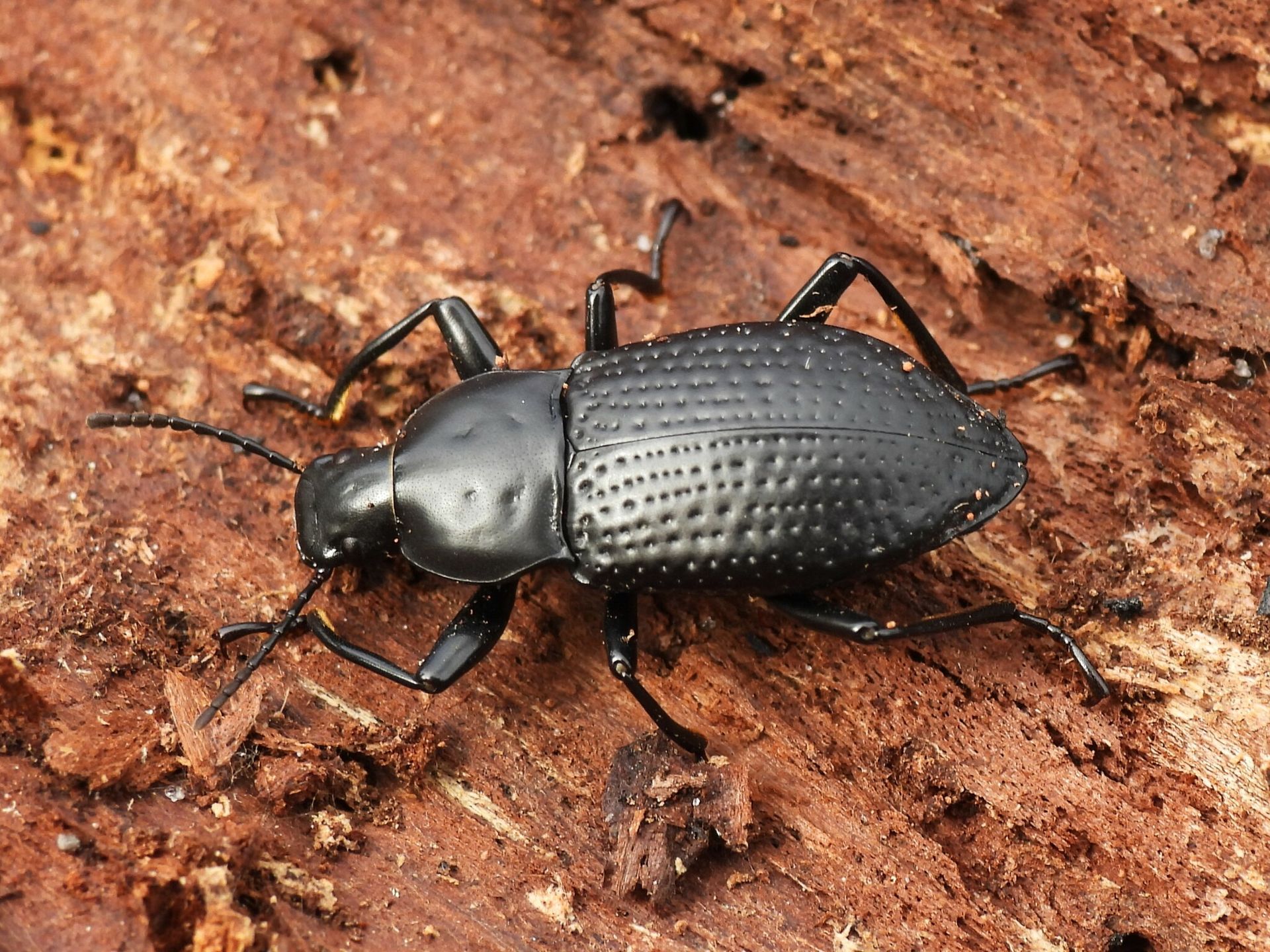
3Polopinus is a of darkling beetles ( Tenebrionidae) described by Casey in 1924. The genus is native to the Nearctic region and contains multiple , though species-level remains incompletely resolved. Like other tenebrionids, members of this genus are ground-dwelling beetles adapted to arid and semi-arid environments.
Pronunciation
How to pronounce Polopinus: //pɔˈlɒpɪnəs//
These audio files are automatically generated. While they are not always 100% accurate, they are a good starting point.
Identification
Polopinus are small to medium-sized tenebrionid beetles. The can be distinguished from related Nearctic genera by genitalic and tarsal characters, though precise identification requires examination of male genitalia. Species-level identification is challenging and generally requires knowledge.
Images
Habitat
in this inhabit arid and semi-arid regions, including desert and dry grassland environments. They are ground-dwelling and typically found in association with soil and surface debris.
Distribution
Nearctic region, primarily in southwestern United States and northern Mexico.
Ecological Role
As ground-dwelling , Polopinus contribute to nutrient cycling in arid through decomposition of organic matter.
Similar Taxa
- EleodesBoth are Nearctic tenebrionid with similar body forms; Eleodes is generally larger and more diverse, with many exhibiting defensive -standing not reported in Polopinus.
- TenebrioTenebrio are more and often associated with human environments; Polopinus is restricted to the Nearctic and not known as a stored product pest.
More Details
Taxonomic note
The Polopinus was established by Thomas L. Casey, a prolific American coleopterist, in 1924. The group has received limited modern taxonomic revision, and boundaries remain poorly documented in published literature.