
Cibdelis
Mannerheim, 1843
Species Guides
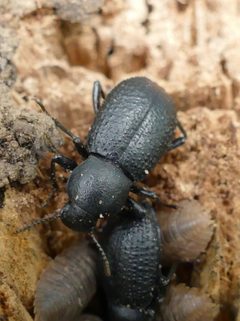
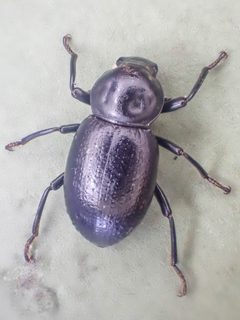
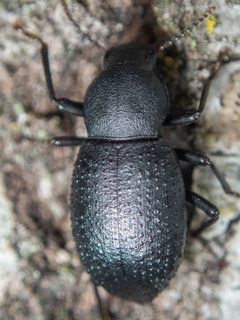
3Cibdelis is a of darkling beetles in the Stenochiinae, distributed in the Nearctic region. The genus includes at least one well-documented , Cibdelis blaschkei, which inhabits forested regions of California. Larvae and pupae develop in soft, rotten, dry wood of dead branches on living trees or recently fallen sections. Both life stages possess antipredator defense structures, including urogomphi (pinching organs) on the terminal abdominal segments.
Pronunciation
How to pronounce Cibdelis: /sɪbˈdɛlɪs/
These audio files are automatically generated. While they are not always 100% accurate, they are a good starting point.
Identification
of Cibdelis can be distinguished from related darkling beetles by their placement in the Stenochiinae. Larvae are characterized by distinctive abdominal armature (urogomphi) that can be raised and opposed to bullae on VIII, forming a defensive pinching mechanism. -level identification requires examination of adult ; C. blaschkei has been confirmed through rearing adults from pupae found with associated larval in pupal .
Images
Habitat
Forested regions. , larvae, and pupae occur in soft, rotten, dry wood of dead branches on living trees or in sections recently fallen from them. The microhabitat consists of decaying wood material that provides shelter and presumably food resources for larval development.
Distribution
Nearctic region. Documented occurrence in California for C. blaschkei. GBIF records indicate broader Nearctic distribution for the .
Life Cycle
Complete with documented larval and pupal stages. Larvae develop in soft rotten dry wood. occurs in pupal constructed within the wood substrate, with associated larval remaining in the cell. emerge from pupae reared in these cells.
Behavior
Larvae and pupae exhibit antipredator defense . Larvae possess urogomphi (pinching organs) that can be raised and opposed to bullae on VIII, presumably to deter . The specific defensive movements and effectiveness against predators have been observed but not quantitatively studied.
Ecological Role
Saproxylic insects that inhabit dead wood in forest . Contributes to wood decomposition and nutrient cycling through association with decaying woody material. Serves as prey for forest , with defensive adaptations indicating pressure.
Similar Taxa
- Glyptotus cribratusShares Stenochiinae and similar in dead wood; both exhibit antipredator defense structures and behavioral similarities in larvae and pupae. Distinguished by and geographic distribution.
More Details
Taxonomic note
The was established by Mannerheim in 1843. The type and full species composition require verification; C. blaschkei is the best-documented species with described stages.
Research limitations
Detailed morphological descriptions and biological data are limited in available sources, which focus primarily on larval and pupal stages of C. blaschkei. , complete inventory, and precise geographic range remain incompletely documented.
Sources and further reading
- BugGuide
- GBIF taxonomy match
- iNaturalist taxon
- Larvae and pupae of two North American darkling beetles (Coleoptera, Tenebrionidae, Stenochiinae), Glyptotus cribratus LeConte and Cibdelis blaschkei Mannerheim, with notes on ecological and behavioural similarities
- Figures 25–28 from: Steiner W (2014) Larvae and pupae of two North American darkling beetles (Coleoptera, Tenebrionidae, Stenochiinae), Glyptotus cribratus LeConte and Cibdelis blaschkei Mannerheim, with notes on ecological and behavioural similarities. ZooKeys 415: 311-327. https://doi.org/10.3897/zookeys.415.6891
- Figures 17–20 from: Steiner W (2014) Larvae and pupae of two North American darkling beetles (Coleoptera, Tenebrionidae, Stenochiinae), Glyptotus cribratus LeConte and Cibdelis blaschkei Mannerheim, with notes on ecological and behavioural similarities. ZooKeys 415: 311-327. https://doi.org/10.3897/zookeys.415.6891
- Figures 9–16 from: Steiner W (2014) Larvae and pupae of two North American darkling beetles (Coleoptera, Tenebrionidae, Stenochiinae), Glyptotus cribratus LeConte and Cibdelis blaschkei Mannerheim, with notes on ecological and behavioural similarities. ZooKeys 415: 311-327. https://doi.org/10.3897/zookeys.415.6891
- Figures 21–24 from: Steiner W (2014) Larvae and pupae of two North American darkling beetles (Coleoptera, Tenebrionidae, Stenochiinae), Glyptotus cribratus LeConte and Cibdelis blaschkei Mannerheim, with notes on ecological and behavioural similarities. ZooKeys 415: 311-327. https://doi.org/10.3897/zookeys.415.6891
- Figures 1–8 from: Steiner W (2014) Larvae and pupae of two North American darkling beetles (Coleoptera, Tenebrionidae, Stenochiinae), Glyptotus cribratus LeConte and Cibdelis blaschkei Mannerheim, with notes on ecological and behavioural similarities. ZooKeys 415: 311-327. https://doi.org/10.3897/zookeys.415.6891