
Andrimus
Casey, 1891
Species Guides
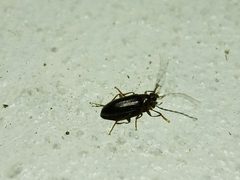
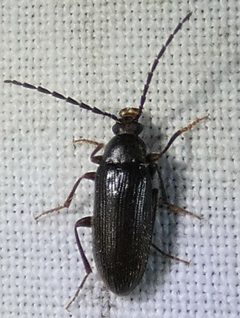
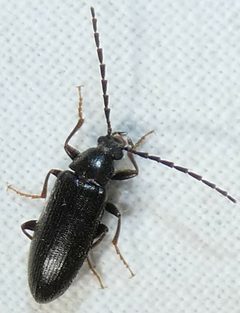
1Andrimus is a of darkling beetles in the Tenebrionidae, established by Thomas Casey in 1891. The genus is native to the Nearctic region and contains adapted to arid and semi-arid environments. As tenebrionids, members are characterized by hardened forewings () and generally cryptic coloration. The genus is moderately well-documented, with over 300 observations recorded on iNaturalist.
Pronunciation
How to pronounce Andrimus: //ænˈdraɪməs//
These audio files are automatically generated. While they are not always 100% accurate, they are a good starting point.
Identification
Andrimus can be distinguished from related tenebrionid by a combination of antennal structure, pronotal shape, and elytral sculpturing. Casey (1891) originally diagnosed the genus based on these morphological features. Specific identification to species level requires examination of male genitalia and detailed comparison with .
Images
Habitat
in this inhabit arid and semi-arid regions of western North America, including desert scrub, sagebrush steppe, and dry grasslands. They are ground-dwelling beetles often found under rocks, in soil cracks, or associated with decaying plant material.
Distribution
Nearctic region, primarily western North America including the southwestern United States and adjacent portions of Mexico.
Ecological Role
As decomposers, Andrimus contribute to nutrient cycling in arid by feeding on decaying plant material and fungi.
Similar Taxa
More Details
Taxonomic history
The was established by Thomas L. Casey in 1891 based on specimens from western North America. Casey's original description emphasized antennal and pronotal characters that distinguished it from contemporaneous genera such as Eleodes.
Research status
Despite moderate observational records, formal taxonomic revision of Andrimus is limited. -level may require updating based on modern molecular and morphological methods.