
Pectotoma
Hatch, 1965
false flower beetles
Species Guides
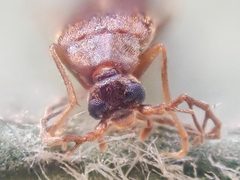
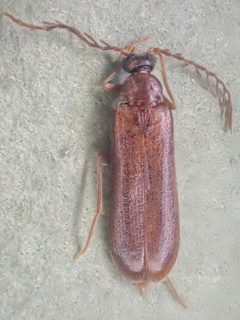
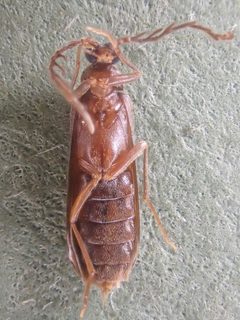
1Pectotoma is a of false flower beetles in the Scraptiidae, established by Hatch in 1965. The genus contains a single described , Pectotoma hoppingi. Members of this genus belong to a small family of beetles often associated with flowers and decaying vegetation.
Pronunciation
How to pronounce Pectotoma: //pɛkˈtoʊtəˌmɑ//
These audio files are automatically generated. While they are not always 100% accurate, they are a good starting point.
Identification
As a , Pectotoma is distinguished from other Scraptiidae genera by characteristics specific to P. hoppingi. Generic-level identification within Scraptiidae relies on subtle morphological features of the , pronotum, and elytral structure, though specific diagnostic traits for Pectotoma are not well documented in available literature.
Images
Distribution
The has been documented in North America, with the type P. hoppingi described from material collected in the Pacific Northwest region of the United States.
Similar Taxa
- ScraptiaAnother in Scraptiidae; Pectotoma may be distinguished by antennal and pronotal structure, though detailed comparative studies are lacking
- AnaspisLarger and more diverse of Scraptiidae; Pectotoma is notably smaller and less frequently encountered
More Details
Taxonomic history
The was described by Melville H. Hatch in 1965 based on specimens collected by J. M. Hopping, for whom the sole was named. The Scraptiidae has undergone repeated taxonomic revision, with Pectotoma remaining a poorly studied genus due to its rarity and limited collection records.
Collection rarity
Only four observations are documented in iNaturalist, and the is represented by minimal material in major collections, reflecting either genuine rarity or undercollection of these small beetles.