
Mordellaria undulata
(Melsheimer, 1846)
tumbling flower beetle
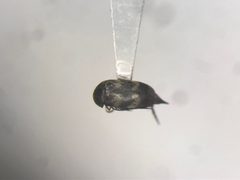
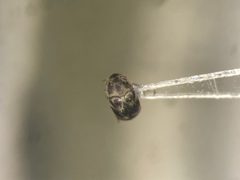
Mordellaria undulata is a of tumbling flower beetle in the Mordellidae, first described by Melsheimer in 1846. The species is distributed across North America, with confirmed records from New Brunswick, Ontario, and Québec in Canada. Like other members of Mordellidae, this exhibits the characteristic hump-backed body form and ability to 'tumble' when disturbed.
Pronunciation
How to pronounce Mordellaria undulata: /mɔrˌdɛlˈaːrɪə ˌʊndʊˈlaːta/
These audio files are automatically generated. While they are not always 100% accurate, they are a good starting point.
Identification
Members of the Mordellaria can be distinguished from related genera such as Mordella by subtle morphological features of the , pronotum, and elytral apex. Specific diagnostic characters for M. undulata include the undulate (wavy) pattern referenced in the epithet, though precise distinguishing features from require examination of and detailed morphological study.
Images
Habitat
Has been collected in forest using Lindgren funnel traps, suggesting association with arboreal . Specific microhabitat requirements are poorly documented.
Distribution
North America. Confirmed records from Canada: New Brunswick (Cranberry Lake Protected Natural Area, Queens Co.), Ontario, and Québec.
Seasonality
have been collected in August (4–18.VIII.2011 in New Brunswick). Broader seasonal activity patterns are not well documented.
Behavior
Exhibits the characteristic 'tumbling' escape response typical of Mordellidae when disturbed. This involves jumping and flipping through the air to evade .
Similar Taxa
- Mordella spp.Similar hump-backed body form and tumbling ; distinguished by differences in antennal structure, pronotal shape, and elytral apex
- Other Mordellaria spp.Congeneric require detailed examination of subtle morphological characters for reliable identification
More Details
Collection Methods
Specimens have been collected using Lindgren 12-funnel traps deployed in forest . These traps superficially resemble tree trunks and are effective for sampling Coleoptera associated with standing trees. The has also been collected by scouring grass or flowers, a common method for acquiring Mordellidae specimens.
Type Information
Original description by Melsheimer (1846). The epithet 'undulata' refers to wavy or undulating markings or structural features.