
Glipa
LeConte, 1859
Species Guides
2- Glipa hilaris
- Glipa oculata(Eye-spotted Tumbling Flower Beetle)
Glipa is a of tumbling flower beetles (Mordellidae) comprising over 100 described , making it the third largest genus in the . are important global of angiosperms, retaining plesiomorphic traits including a cuneate body and specialized maxillary palpus structure. Larvae develop inside plant stems, with some species acting as agricultural or forestry pests. The genus is primarily distributed between 38° S and 38° N latitude across tropical and subtropical regions.
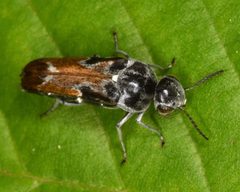
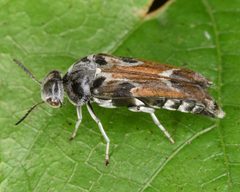
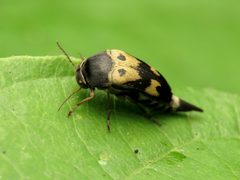
Pronunciation
How to pronounce Glipa: /ˈɡlɪpə/
These audio files are automatically generated. While they are not always 100% accurate, they are a good starting point.
Identification
distinguished by a cuneate (wedge-shaped) body form and a broad, triangular terminal segment of the maxillary palpus with a concave cross-section—traits retained as plesiomorphic characteristics within Mordellidae. As with other tumbling flower beetles, adults have a characteristic jumping or tumbling escape when disturbed.
Images
Habitat
Tropical and subtropical regions globally, primarily between 38° S and 38° N latitude. Suitable areas are classified by model predictions as low (0.1416–0.4), moderate (0.4–0.6), and high (0.6–1.0) suitability based on logistic output values. Key environmental drivers include maximum temperature of the warmest month, mean precipitation, and mean precipitation of the driest quarter.
Distribution
Currently distributed across East Asia, Southeast Asia, eastern North America, South America, and central and western Africa, spanning the Oriental, Palearctic, Neotropical, and Afrotropical realms. Under future climate scenarios (SSP585, 2070s), suitable area is projected to expand by 53.89% with a northward centroid shift.
Host Associations
- angiosperms - pollination are of flowering plants
- plant stems - larval feeding sitelarvae feed and develop inside stems
Life Cycle
are found on flowers. Larvae feed and develop inside plant stems.
Behavior
exhibit pollination , capable of visiting a wide range of flowering plants. When disturbed, adults display the characteristic tumbling or jumping escape behavior typical of the Mordellidae.
Ecological Role
Important global of angiosperms, contributing to stability and biodiversity conservation. Larvae can function as agricultural and forestry pests through stem-feeding damage.
Human Relevance
Positive: pollination services supporting terrestrial and agriculture. Negative: some act as pests in agricultural and forestry systems through larval stem damage.
Similar Taxa
- other Mordellidae generaGlipa retains plesiomorphic pollination traits including cuneate body and specialized maxillary palpus structure, whereas other may show more derived morphologies
More Details
Climate change response
MaxEnt modeling (AUC = 0.963) indicates that suitable for Glipa will increase gradually with rising global temperatures, with habitat area expanding 53.89% by the 2070s under SSP585 scenario and the centroid shifting northward.
Taxonomic status
The contains over 100 described (120+ per some sources, 139 per others), making it the third largest genus in Mordellidae.