
Lytta comans
Selander, 1960
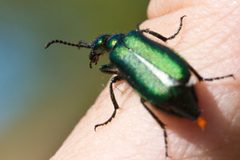
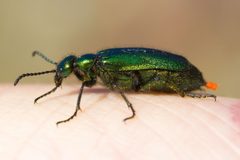
Lytta comans is a of blister beetle in the Meloidae. The species was described by Selander in 1960. It is classified within the subgenus Poreospasta of the Lytta. Like other members of its genus, it possesses chemical defenses based on cantharidins.
Pronunciation
How to pronounce Lytta comans: /ˈlɪtə ˈkoʊmænz/
These audio files are automatically generated. While they are not always 100% accurate, they are a good starting point.
Identification
Belongs to the subgenus Poreospasta within Lytta, characterized by specific morphological features distinguishing it from other Lytta subgenera. Definitive identification requires examination of genitalic and other structural characters; external features alone are insufficient for reliable -level determination within this .
Images
Distribution
Known from North America. Specific regional distribution within North America is not well documented in available sources.
Human Relevance
As with all blister beetles in the Meloidae, contains cantharidins—potent irritants that can cause blistering upon contact with skin. The is not specifically documented in agricultural or medical contexts, but shares the general defensive chemistry of its family.
Similar Taxa
- Lytta (Poreospasta) auriculataCongeneric in the same subgenus Poreospasta, with which it shares subgeneric characteristics; distinguished by specific morphological details of and body form
- Lytta (Poreospasta) nuttalliAnother member of subgenus Poreospasta with overlapping geographic range; requires careful examination of pronotal and elytral features for separation
More Details
Taxonomic placement
Listed in the Entomology Research Museum holdings as Lytta (Poreospasta) comans Selander, indicating its placement in the subgenus Poreospasta. The museum holds 31 specimens of this .
Genus characteristics
The Lytta includes commonly known as blister beetles, many of which are brightly colored and chemically defended. The subgenus Poreospasta contains numerous North American species with varied coloration patterns.