
Megetra vittata
(LeConte, 1853)
Megetra vittata is a blister beetle in the Meloidae, ranging from northern Arizona to western Texas. It is one of three recognized in the North American Megetra. The species produces , a defensive toxin that is dangerous to livestock when ingested. It appears to be strictly with and ecologically similar to M. punctata.
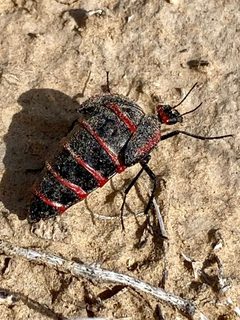
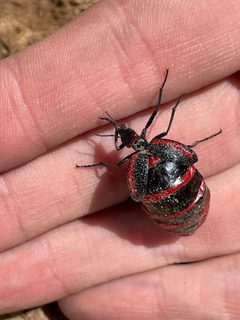
Pronunciation
How to pronounce Megetra vittata: //məˈɡɛtrə vɪˈtɑːtə//
These audio files are automatically generated. While they are not always 100% accurate, they are a good starting point.
Identification
Distinguished from by anatomical characters; specifically differs from M. cancellata (which ranges discontinuously from Arizona and New Mexico to Hidalgo, México) and from M. punctata (which ranges from southern Arizona and New Mexico to Durango, México) by distribution and subtle morphological differences. Intraspecific variation in adult characters has been analyzed taxonomically.
Images
Distribution
Northern Arizona to western Texas. Strictly with M. punctata.
Behavior
Strictly with M. punctata; ecologically similar to M. punctata. Additional behavioral notes on seasonal distribution, , and exist in the primary taxonomic literature but are not detailed in available excerpts.
Human Relevance
Like other blister beetles, M. vittata excretes , a toxic chemical that defends against . This toxin poses a serious risk to livestock, particularly horses, which can become ill or die after ingesting beetles that have been mixed into hay and feed.
Similar Taxa
- Megetra cancellataRanges discontinuously from Arizona and New Mexico to Hidalgo, México; anatomically and ecologically distinctive from M. vittata
- Megetra punctataRanges from southern Arizona and New Mexico to Durango, México; strictly with and ecologically similar to M. vittata
Sources and further reading
- BugGuide
- Wikipedia
- GBIF taxonomy match
- iNaturalist taxon
- NCBI Taxonomy
- Meloidae Holdings | Entomology Research Museum
- Jasmin Ramirez Bonilla: Targeting Cucumber Beetles on Melons | Bug Squad
- Chrysomelidae | Beetles In The Bush | Page 5
- Bug Eric: Eight Illinois Wasp and Bee Mimics in Twenty Minutes
- Megalopygidae | Beetles In The Bush
- Striped Cucumber Beetles: A New Guide Reviews Management Options for Vexing Cucurbit Pests
- A Taxonomic Revision of the Genus Megetra (Coleoptera: Meloidae) with Ecological and Behavioral Notes