Epicauta longicollis
(LeConte, 1853)
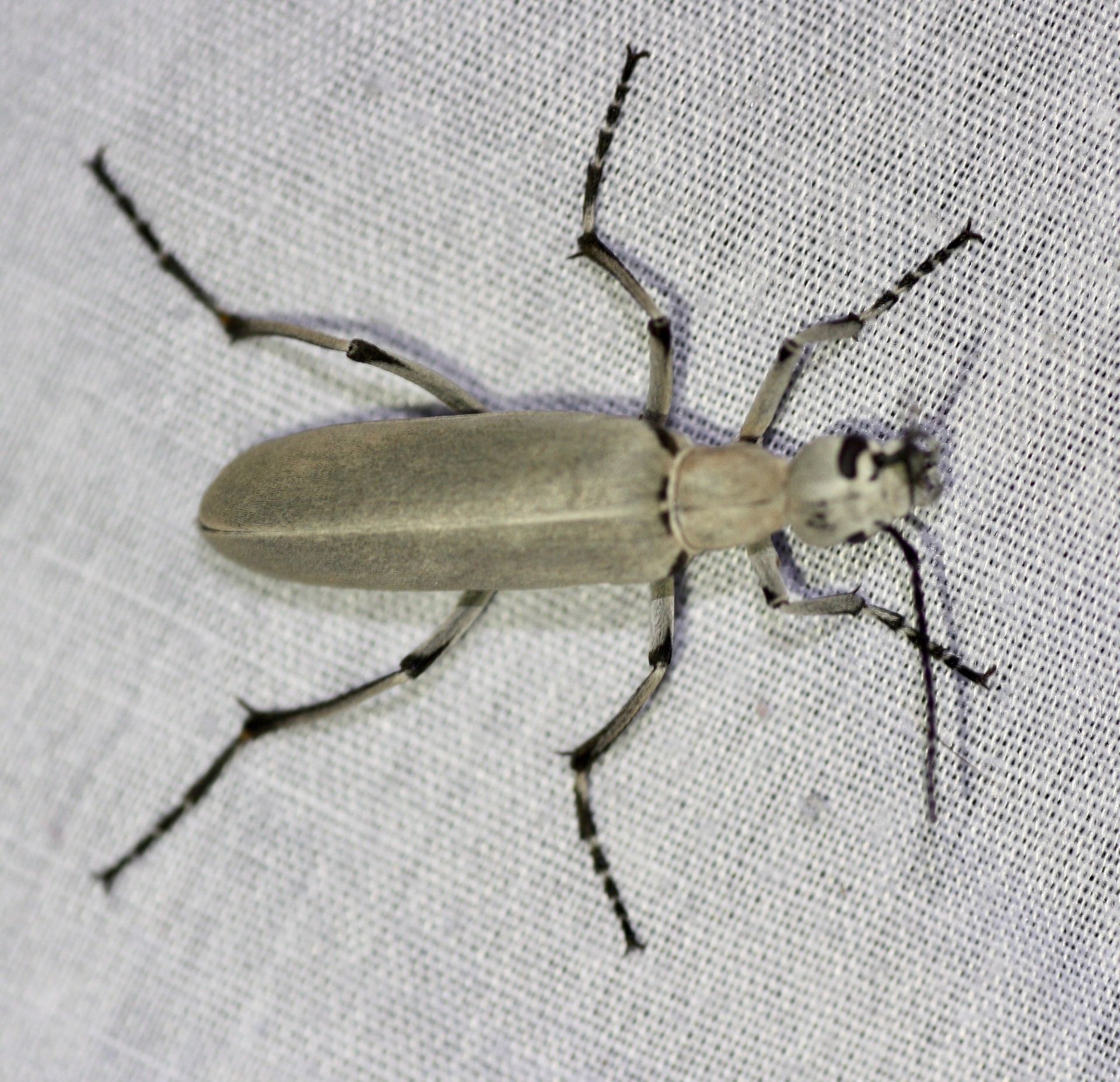
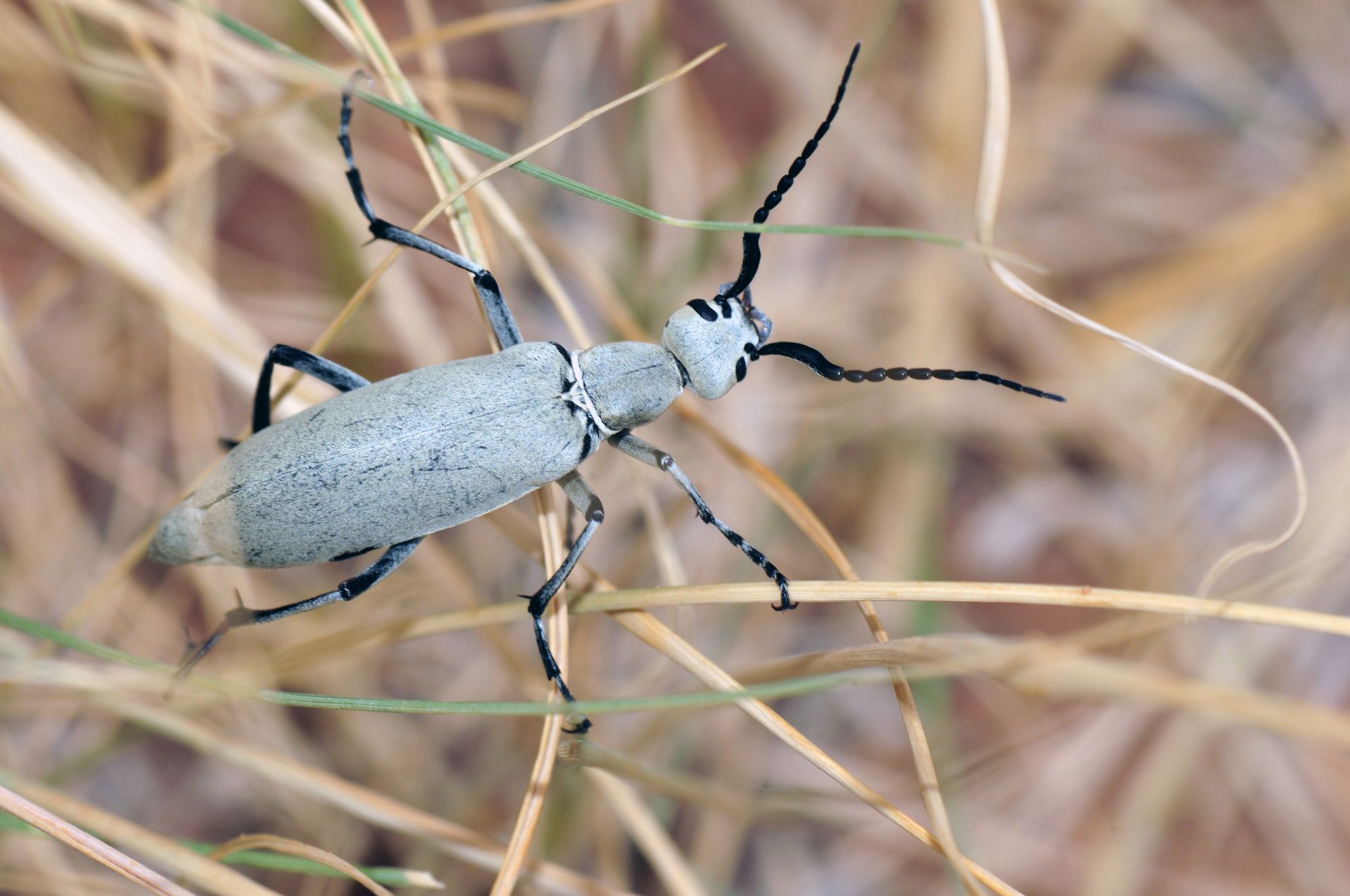
Epicauta longicollis is a of blister beetle in the Meloidae, first described by LeConte in 1853. The species is distributed across Central America and North America. Like other members of the Epicauta, it produces , a defensive toxin that can cause blistering in humans and is toxic to livestock when ingested via contaminated hay. The species belongs to the subgenus Macrobasis within Epicauta.
Pronunciation
How to pronounce Epicauta longicollis: /ˌɛ.pɪˈkɔː.tə ˌlɒn.dʒɪˈkɒl.ɪs/
These audio files are automatically generated. While they are not always 100% accurate, they are a good starting point.
Images
Distribution
Central America and North America. GBIF records confirm presence in both Middle America and North America.
Human Relevance
As a member of the Epicauta, E. longicollis likely produces , a defensive toxin that can cause blistering on human skin and is toxic to livestock, particularly horses, when ingested via contaminated alfalfa hay. However, specific documented cases of human or veterinary harm from this particular are not recorded in the provided sources.
More Details
Taxonomic placement
The is classified in the subgenus Macrobasis of Epicauta, as indicated by museum holdings records. The subgenus Macrobasis contains numerous Epicauta species primarily distributed in North and Central America.
Specimen holdings
According to the Entomology Research Museum at the University of California, Riverside (J. Pinto, 2010), there are 42 specimens of Epicauta (Macrobasis) longicollis in the collection.