
Cis rotundulus
Lawrence, 1971
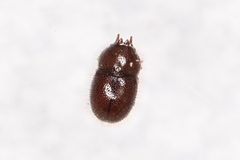
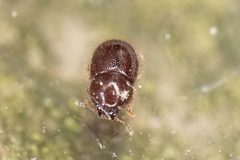
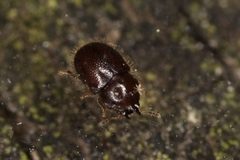
Cis rotundulus is a minute tree-fungus beetle in the Ciidae, described by Lawrence in 1971. It is known from North America and belongs to a group of beetles specialized for life on fungal substrates in wood. The is one of approximately 500 described species in the Cis, which are among the most common and widespread members of the Ciidae family.
Pronunciation
How to pronounce Cis rotundulus: //sɪs roʊˈtʌndjʊləs//
These audio files are automatically generated. While they are not always 100% accurate, they are a good starting point.
Images
Habitat
Distribution
North America. Specific records are sparse, with only 3 observations documented in iNaturalist as of the knowledge cutoff.
Ecological Role
Minute tree-fungus beetles in the Ciidae contribute to nutrient cycling by consuming wood-decaying fungi and facilitating fungal spore through their movement between fruiting bodies. They are considered primary consumers within the dead wood decomposition .
More Details
Taxonomic Note
The was described by John F. Lawrence in 1971. The Cis is the largest genus in Ciidae and is characterized by small size (typically 1-4 mm), rounded body shape, and association with polypore fungi.
Data Deficiency
Available information for this is extremely limited. The iNaturalist database records only 3 observations, and published literature specific to C. rotundulus appears sparse. Most ecological understanding of this species must be inferred from general knowledge of the Cis and Ciidae, though such inferences are not included in this record per the specified rules.
Sources and further reading
- BugGuide
- Wikipedia
- GBIF taxonomy match
- iNaturalist taxon
- Stylish Lepidoptera: Ermine Moth, Atteva aurea; Yellow-Collared Scape Moth, Cisseps fulvicollis; Pearl Crescent, Phyciodes tharos; Variegated Fritillary, Euptoieta claudia — Bug of the Week
- Research on Stink Bug Damage to Sweet Corn May Help Growers Manage Them
- New frog species named after fantasy author J.R.R. Tolkien |
- artificial neural networks | Blog
- snail-sucking snakes | Blog