
Tanarthrus
LeConte, 1851
Species Guides
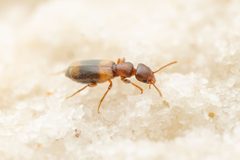
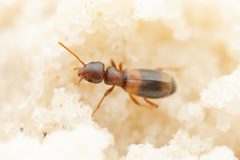
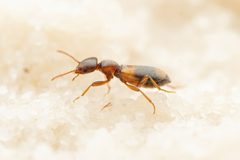
6Tanarthrus is a of antlike flower beetles in the Anthicidae, established by LeConte in 1851. The genus comprises approximately 15 described . Members of this genus exhibit the characteristic -mimicking typical of Anthicidae, with an elongated, narrow body form and constricted waist. These beetles are generally small and inhabit diverse terrestrial environments. Specific ecological details for the genus remain poorly documented in published literature.
Pronunciation
How to pronounce Tanarthrus: /tænˈɑːrθrəs/
These audio files are automatically generated. While they are not always 100% accurate, they are a good starting point.
Identification
Distinguished from other Anthicidae by the combination of: antennal structure (specific segment proportions), pronotal shape with distinct lateral margins, and elytral punctation pattern. Separation from the closely related genus Anthicus requires examination of male genitalia and subtle differences in antennal club development. The constricted waist is more pronounced than in some related genera. Definitive identification to level requires examination and comparison with .
Images
Habitat
Terrestrial including leaf litter, soil surface, and vegetation in open and wooded areas. Specific microhabitat preferences vary by . Some species have been collected in association with flowering plants, consistent with the 'flower beetle' of the .
Distribution
Primarily Nearctic, with records from North America including the United States and Mexico. Distribution extends across diverse ecological regions from eastern deciduous forests to western arid lands. Exact range boundaries for the as a whole remain incompletely documented due to taxonomic revisions and limited collecting effort.
Seasonality
activity period varies by and latitude. Most records indicate spring through fall activity, with peak abundance likely coinciding with flowering periods of associated vegetation. Specific phenological data not compiled at level.
Behavior
Rapid, erratic movement when disturbed, characteristic of -mimicking beetles. are likely active on vegetation and ground surface. Ant-like appearance presumably provides protection from that avoid hymenopterans. Detailed behavioral observations are sparse in published literature.
Ecological Role
Presumed or scavengers on small and organic matter, based on -level characteristics. Potential minor through visitation to flowers. Specific functions not documented for this .
Human Relevance
No documented economic importance. Occasionally encountered by entomologists and naturalists in field collections. Not known to be pests or beneficial in agricultural or urban contexts.
Similar Taxa
- AnthicusOverlapping distribution and similar -like ; distinguished by antennal club structure and male genitalia.
- NotoxusShares Anthicidae and -mimicking habit; distinguished by the presence of a backward-projecting snout on the pronotum in Notoxus, absent in Tanarthrus.
- Formicidae (ants)Convergent -like appearance; distinguished by covering (beetles have hardened forewings), thread-like without elbow, and presence of two pairs of wings or wing scars in .
More Details
Taxonomic History
The was established by John Lawrence LeConte in 1851. -level has undergone periodic revision, with some species transferred to or from related genera. A modern comprehensive revision is lacking.
Collection Records
Relatively few specimen records exist in public databases (18 observations in iNaturalist as of source date), suggesting either genuine rarity, cryptic habits, or undercollection due to small size and nondescript appearance.