
Stricticomus
Pic, 1894
Species Guides
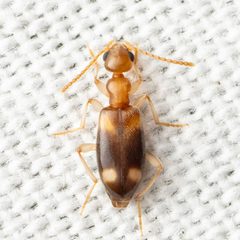
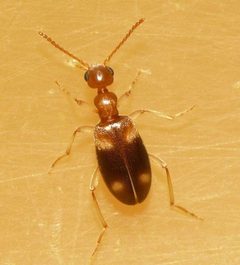
1- Stricticomus tobias(Double-dotted Anthicid)
Stricticomus is a of small beetles in the Anthicidae, commonly known as ant-like flower beetles. The genus was established by Maurice Pic in 1894 and contains multiple distributed across three continents. Members of this genus are characterized by their compact, -mimicking body form typical of the family. The genus has been recorded from Eurasia, Madagascar, and North America based on specimen collections and observations.
Pronunciation
How to pronounce Stricticomus: //ˌstrɪktɪˈkoʊməs//
These audio files are automatically generated. While they are not always 100% accurate, they are a good starting point.
Identification
Stricticomus can be distinguished from other Anthicidae by features of the pronotum and structure, though specific diagnostic characters require examination of and detailed morphological study. The genus falls within the Anthicinae. Accurate identification to species level generally requires reference to original descriptions and comparison with type material.
Images
Distribution
Eurasia, Madagascar, and North America. The disjunct distribution pattern suggests either broad historical range or potential cryptic diversity requiring further study.
Similar Taxa
- AnthicusBoth are in Anthicidae with -like appearance; Stricticomus differs in pronotal and elytral structure details requiring microscopic examination
- NotoxusAnother Anthicidae with elongated snout in males; Stricticomus lacks this pronounced rostral extension
More Details
Taxonomic history
The was described by French entomologist Maurice Pic in 1894. Pic was a prolific describer of beetles, and many of his genus-level concepts in Anthicidae have been subject to revision. The current circumscription of Stricticomus may require modern phylogenetic analysis to confirm monophyly given its broad geographic distribution.
Research needs
The would benefit from comprehensive revision including molecular , detailed morphological study of , and clarification of boundaries. The disjunct distribution pattern raises questions about mechanisms or potential synonymy with other genera.