Nudobius
Thomson, C. G., 1860
Species Guides
2- Nudobius cephalus(Kephalos Rove-hunter Beetle)
- Nudobius luridipennis
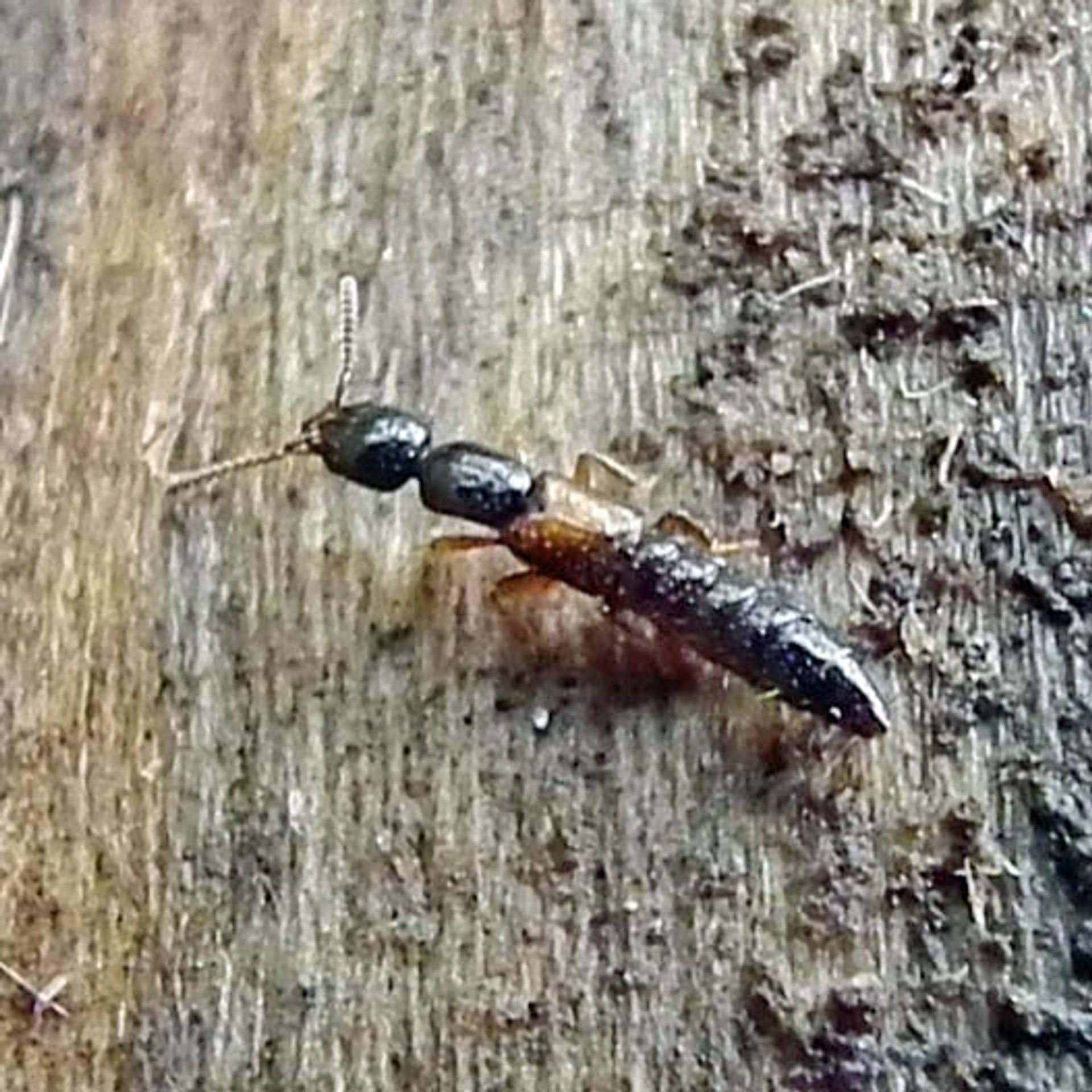
Nudobius is a of rove beetles (Staphylinidae) in the tribe Xantholinini. are predatory and strongly associated with subcortical , particularly bark beetle galleries in coniferous and hardwood forests. The genus has been documented as a natural enemy of economically significant bark beetles. Distribution includes Europe and North America.
Pronunciation
How to pronounce Nudobius: //nuːˈdoʊ.bi.us//
These audio files are automatically generated. While they are not always 100% accurate, they are a good starting point.
Identification
Larvae can be distinguished from other Xantholinini by a combination of external morphological characters including detailed structures of the capsule, mouthparts, and abdominal segments. likely exhibit the elongated body and shortened typical of Staphylinidae, though genus-specific diagnostic features for adults are not specified in available sources.
Images
Habitat
Subcortical environments, specifically under bark of dead or dying trees. Strongly associated with bark beetle (Scolytinae) galleries in forest .
Distribution
Europe (including Denmark, Norway, Sweden) and Northern America.
Diet
Predatory. Has been observed preying on bark beetles, including .
Host Associations
- Ips typographus - preyEuropean spruce bark beetle
- bark beetles (Scolytinae) - preygeneral association with scolytine galleries
Life Cycle
Mature larvae have been described and illustrated; complete developmental sequence not detailed in available sources.
Ecological Role
of bark beetles; acts as a natural enemy that may limit bark beetle growth in forest .
Human Relevance
Potential agent for economically damaging bark beetle pests in forestry.
Similar Taxa
- GabriusBoth contain predatory associated with bark beetle galleries and belong to related subtribes within Staphylininae; mature larvae can be distinguished by diagnostic characters of capsule and abdominal structures.
More Details
Taxonomic history
Authored by Carl Gustaf Thomson in 1860; placement in tribe Xantholinini confirmed by larval studies.
Research significance
N. lentus is among the most studied due to its association with , a major forest pest in Europe.