Philonthus lomatus
Erichson, 1840
Philonthus lomatus is a rove beetle in the Staphylinidae, first described by Erichson in 1840. It belongs to the large Philonthus, which contains numerous predatory species commonly associated with decaying organic matter. The species has a broad transcontinental distribution across North America, with records from Canada and throughout much of the United States.
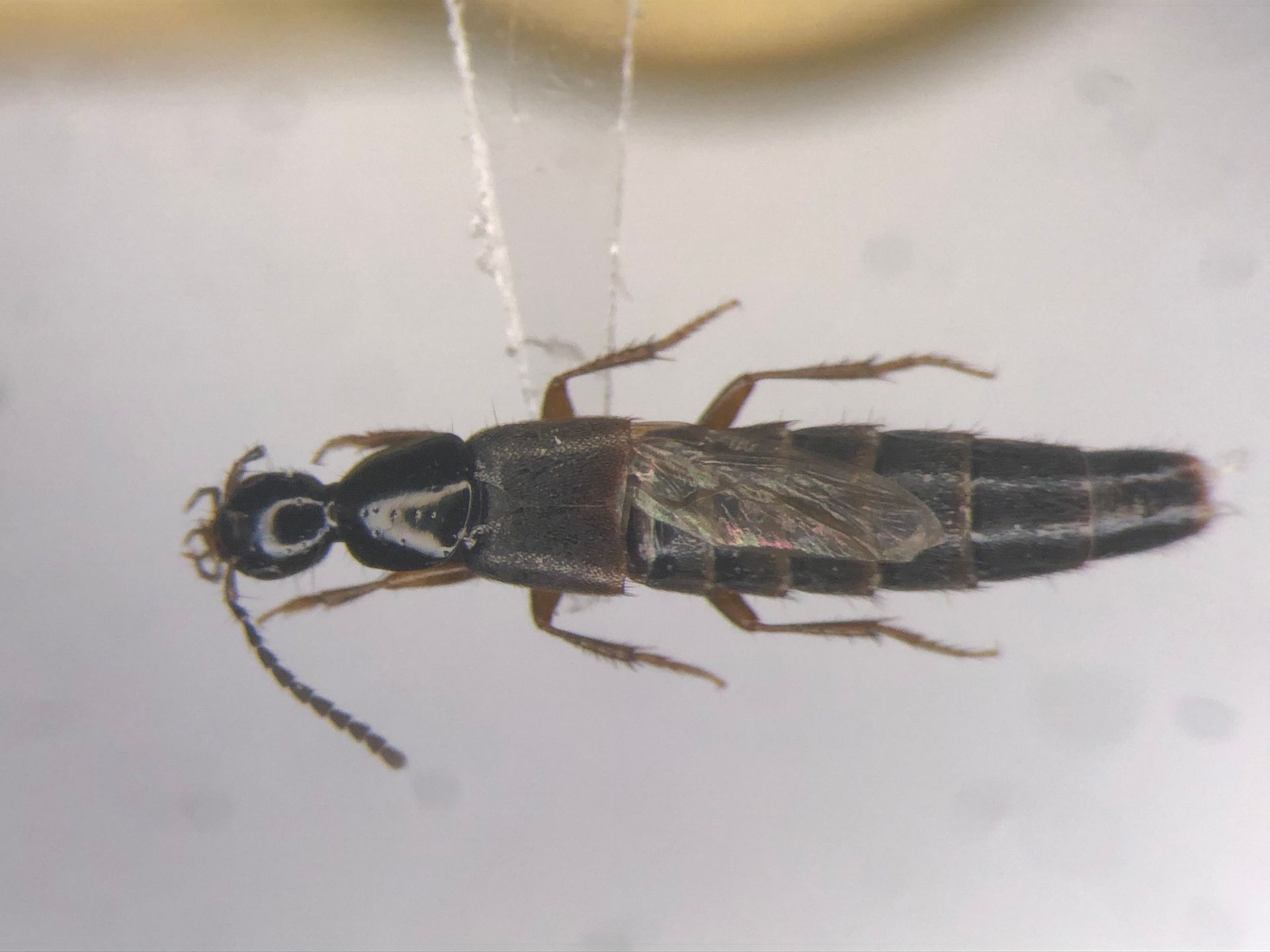
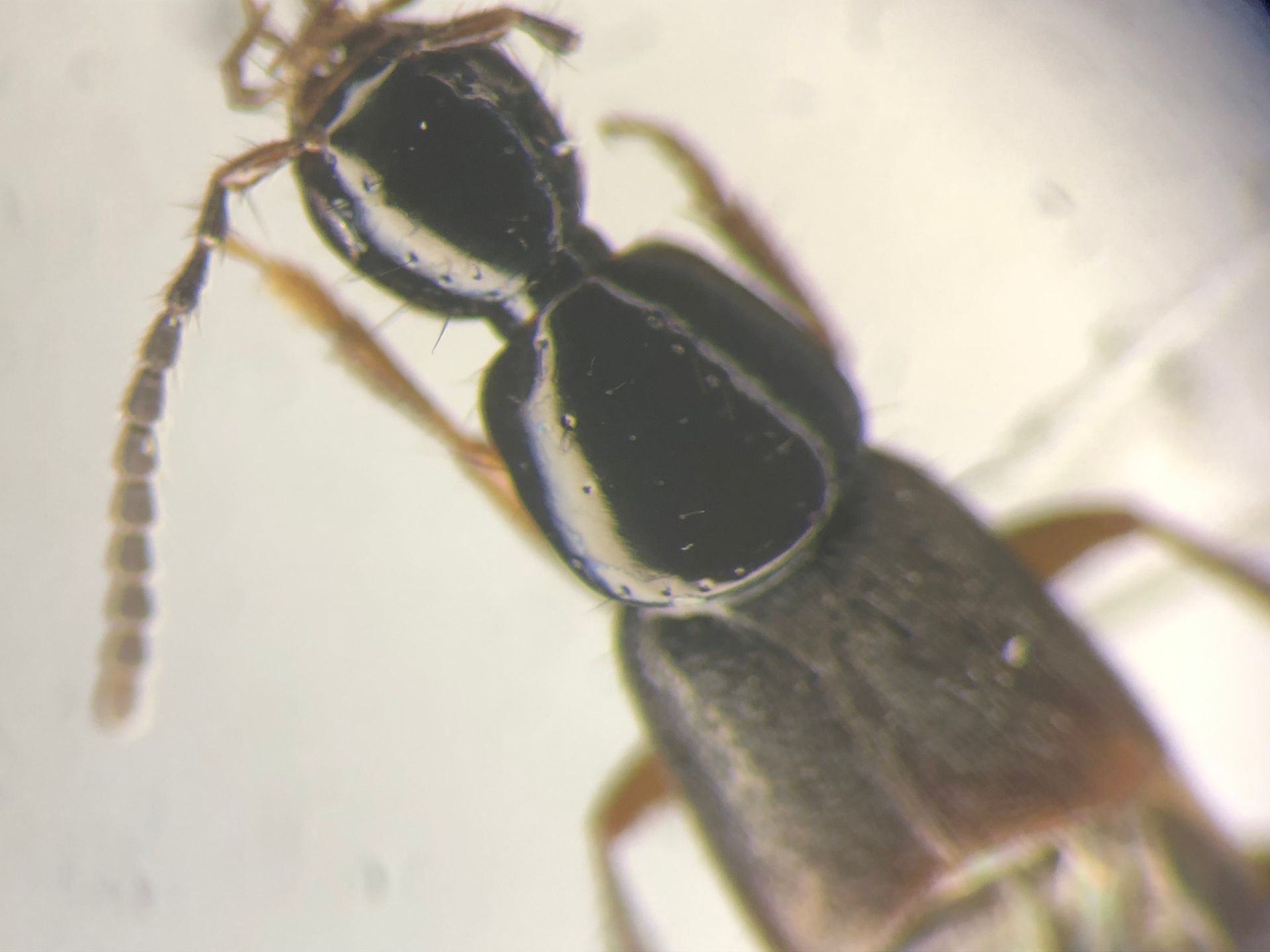

Pronunciation
How to pronounce Philonthus lomatus: /fɪˈlɒnθəs loʊˈmeɪtəs/
These audio files are automatically generated. While they are not always 100% accurate, they are a good starting point.
Images
Distribution
Transcontinental in North America. Canada: Alberta, British Columbia, Manitoba, New Brunswick, Newfoundland, Nova Scotia, Northwest Territories, Ontario, Quebec, Saskatchewan. United States: Alabama, Arkansas, Connecticut, District of Columbia, Georgia, Iowa, Idaho, Illinois, Indiana, Kansas, Kentucky, Louisiana, Massachusetts, Maryland, Maine, Michigan, Minnesota, Missouri, Montana, North Carolina, North Dakota, Nebraska, New Hampshire, New Jersey, New York, Ohio, Oklahoma, Oregon, Pennsylvania, Rhode Island, South Carolina, South Dakota, Texas, Virginia, Vermont, Washington, Wisconsin, West Virginia, Wyoming. Also recorded from Haiti.
More Details
Taxonomic Note
Philonthus is a large and taxonomically challenging within Staphylinidae. identification often requires examination of microscopic characters including male genitalia and details of the . The specific epithet 'lomatus' refers to a characteristic feature of the species, though precise morphological requires knowledge.
Data Limitations
Available sources confirm the taxonomic validity and geographic distribution of Philonthus lomatus, but provide no specific information on , , , or . This reflects a common pattern in staphylinid beetles, where many are known from specimen records and taxonomic descriptions but lack detailed biological study.