
Hemiquedius
Casey, 1915
Species Guides
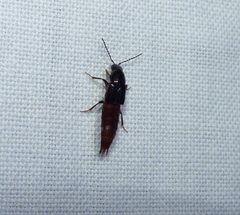
2Hemiquedius is a of rove beetles (Staphylinidae) established by Casey in 1915. It belongs to the tribe Staphylinini within the Staphylininae. The genus is characterized by morphological features that distinguish it from the related genus Quedius, particularly in the structure of the and other male genital characters. within this genus are found in North America.
Pronunciation
How to pronounce Hemiquedius: /ˌhɛmiˈkwɛdiəs/
These audio files are automatically generated. While they are not always 100% accurate, they are a good starting point.
Identification
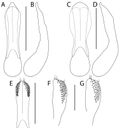
Hemiquedius can be distinguished from the closely related Quedius by features of the male , particularly the structure of the parameres and lobe. The genus name reflects this intermediate or partial similarity to Quedius ('hemi-' meaning half). Detailed examination of genitalic characters is typically required for definitive identification.
Images
Distribution
North America
Similar Taxa
- QuediusClosely related within the same tribe Staphylinini; Hemiquedius was separated from Quedius based on differences in male genitalia structure, particularly aedeagal
More Details
Taxonomic history
The was established by Thomas L. Casey in 1915 to accommodate previously placed in Quedius that showed distinct genitalic characteristics. The name Hemiquedius reflects its phylogenetic position as intermediate between Quedius and other related genera.
Species diversity
The contains relatively few described compared to the large genus Quedius. Species-level remains incompletely documented, with some species potentially awaiting description or reclassification.