
Coryphiini
Jakobson, 1908
Genus Guides
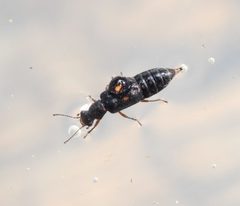
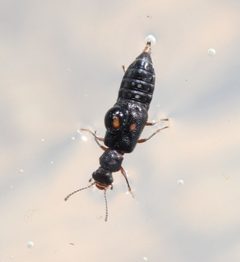
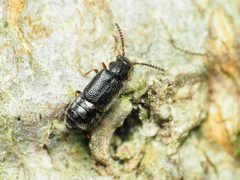
7Coryphiini is a tribe of small rove beetles (Staphylinidae: Omaliinae) containing approximately 18 in six in North America, with additional species distributed across the Palaearctic region including China and Japan. The tribe includes both winged and wingless species, with several to mountainous regions of western North America. Members are characterized by distinctive mouthpart and structure used in species identification.
Pronunciation
How to pronounce Coryphiini: /kɔːˈrɪfɪˌaɪniː/
These audio files are automatically generated. While they are not always 100% accurate, they are a good starting point.
Identification
Identification relies on examination of mouthparts (, , , , ) and male genitalia (); habitus drawings and detailed illustrations are essential for distinguishing and . The tribe can be separated from other Omaliinae by the combination of characters detailed in the tribal redefinition by Hatch, though specific diagnostic features require microscopic examination.
Images
Habitat
Many are associated with mountainous areas; western North American endemics occur in montane . Specific microhabitat preferences are poorly documented.
Distribution
Holarctic distribution with regional : three Holarctic; four species restricted to eastern North America; 11 species to mountainous western North America. Palaearctic records include China (Sichuan, Shaanxi) and Japan.