
Empelus
LeConte, J. L., 1861
Species Guides
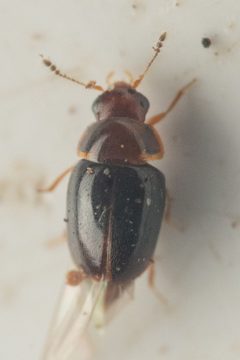
1Empelus is a of rove beetles in the Empelinae, established by John Lawrence LeConte in 1861. The genus is part of the hyperdiverse Staphylinidae, one of the largest families of organisms. Members of Empelinae are characterized by distinctive morphological features including reduced wing venation and specialized mouthpart structures. The genus remains poorly known, with limited documentation and biological data available.
Pronunciation
How to pronounce Empelus: /ˈɛmpələs/
These audio files are automatically generated. While they are not always 100% accurate, they are a good starting point.
Identification
Empelus can be distinguished from other rove beetle by characteristics of the Empelinae : reduced that leave most of the exposed, short with distinctive clubbing, and reduced wing venation with fewer crossveins than most Staphylinidae. The genus is separated from the only other Empelinae genus, *Empelides* (found in the Palearctic), by Nearctic distribution and subtle differences in pronotal and elytral structure. Identification to level requires examination of male genitalia and detailed microsculpture patterns.
Images
Distribution
Nearctic region. The is to North America.
Similar Taxa
More Details
Taxonomic history
Empelus was established by LeConte in 1861 and placed in its own Empelinae. The subfamily's phylogenetic position within Staphylinidae has been debated, with some classifications treating it as sister to the large subfamily Staphylininae. The contains few described , reflecting both genuine rarity and historical undercollection.
Conservation status
No formal conservation assessments exist for Empelus. The is likely data deficient due to limited survey effort and taxonomic attention rather than confirmed rarity.