
Zyras
Stephens, 1833
Species Guides
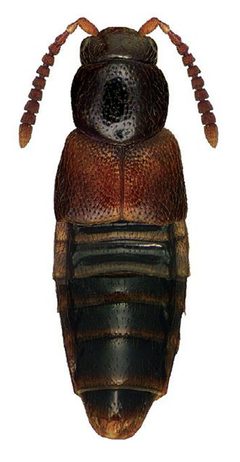
2Zyras is a of rove beetles (Staphylinidae: Aleocharinae: Lomechusini) comprising over 100 described distributed primarily across the Palaearctic and Oriental regions. Species within this genus exhibit diverse ecological associations, including myrmecophilous and termitophilous lifestyles. The genus is taxonomically complex, with ongoing revisions addressing synonymies and species boundaries. Several species possess specialized tergal glands that produce chemical secretions facilitating integration into colonies.
Pronunciation
How to pronounce Zyras: /ˈzaɪ.rəs/
These audio files are automatically generated. While they are not always 100% accurate, they are a good starting point.
Images
Habitat
occur in diverse across their broad geographic range. Some species are myrmecophilous, living within colonies; others are termitophilous, associated with fungus-growing colonies. Specific microhabitat preferences for most species remain undocumented.
Distribution
Palaearctic and Oriental regions, with highest in China (46 ), Malaysia (20), India (20), Indonesia (18), Thailand (13), and Nepal (12). The has been recorded from the Himalaya, Sri Lanka, Sulawesi, and Taiwan. GBIF records also indicate presence in Colombia, Denmark, Norway, and Sweden.
Host Associations
- Lasius fuliginosus - myrmecophilous Zyras collaris and Z. haworthi have been observed in association with this
- Odontotermes formosanus - termitophilous Zyras (Diaulaconia) artemis sp. n. is associated with this fungus-growing
Behavior
Some exhibit myrmecophilous , using tergal gland secretions containing monoterpenes (α-pinene, β-pinene, myrcene, limonene) to achieve acceptance by ants. Zyras (Diaulaconia) artemis has been observed showing meticulous predatory behavior within colonies.
Ecological Role
Myrmecophilous and termitophilous function as within social insect colonies, with some exhibiting predatory . Chemical deception via tergal gland secretions enables integration into colonies.
Similar Taxa
- DrusillaZyras unicolor was tentatively moved to Drusilla based on type material revision; both belong to Lomechusini and share morphological similarities that require careful distinction
More Details
Taxonomic Complexity
The subgenus Zyras sensu strictu currently comprises 124 described in the Palaearctic and Oriental regions. Recent revisions have proposed 28 synonymies and described 14 new species, indicating substantial taxonomic instability.
Chemical Ecology
The tergal gland secretion composition of α-pinene, β-pinene, myrcene, and limonene in Z. collaris and Z. haworthi is unique within Aleocharinae. This chemical profile may mimic to deceive ants.
Sexual Dimorphism
Remarkable cases of colour and have been documented in Zyras sensu strictu, complicating identification.
Sources and further reading
- BugGuide
- Wikipedia
- GBIF taxonomy match
- iNaturalist taxon
- NCBI Taxonomy
- Catalogue of Life
- Zyras (Diaulaconia) artemis sp. n., a new termitophilous species from Taiwan (Coleoptera: Staphylinidae: Aleocharinae: Lomechusini)
- The Tergal Gland Secretion of the Two Rare Myrmecophilous SpeciesZyras collarisandZ. haworthi(Coleoptera: Staphylinidae) and the Effect onLasius fuliginosus
- On Zyras sensu strictu in the East Palaearctic and Oriental regions, with a focus on the faunas of the Himalaya, India, Sri Lanka, Thailand, and Sulawesi (Coleoptera: Staphylinidae: Aleocharinae: Lomechusini)