Coenonica
Kraatz, 1857
Species Guides
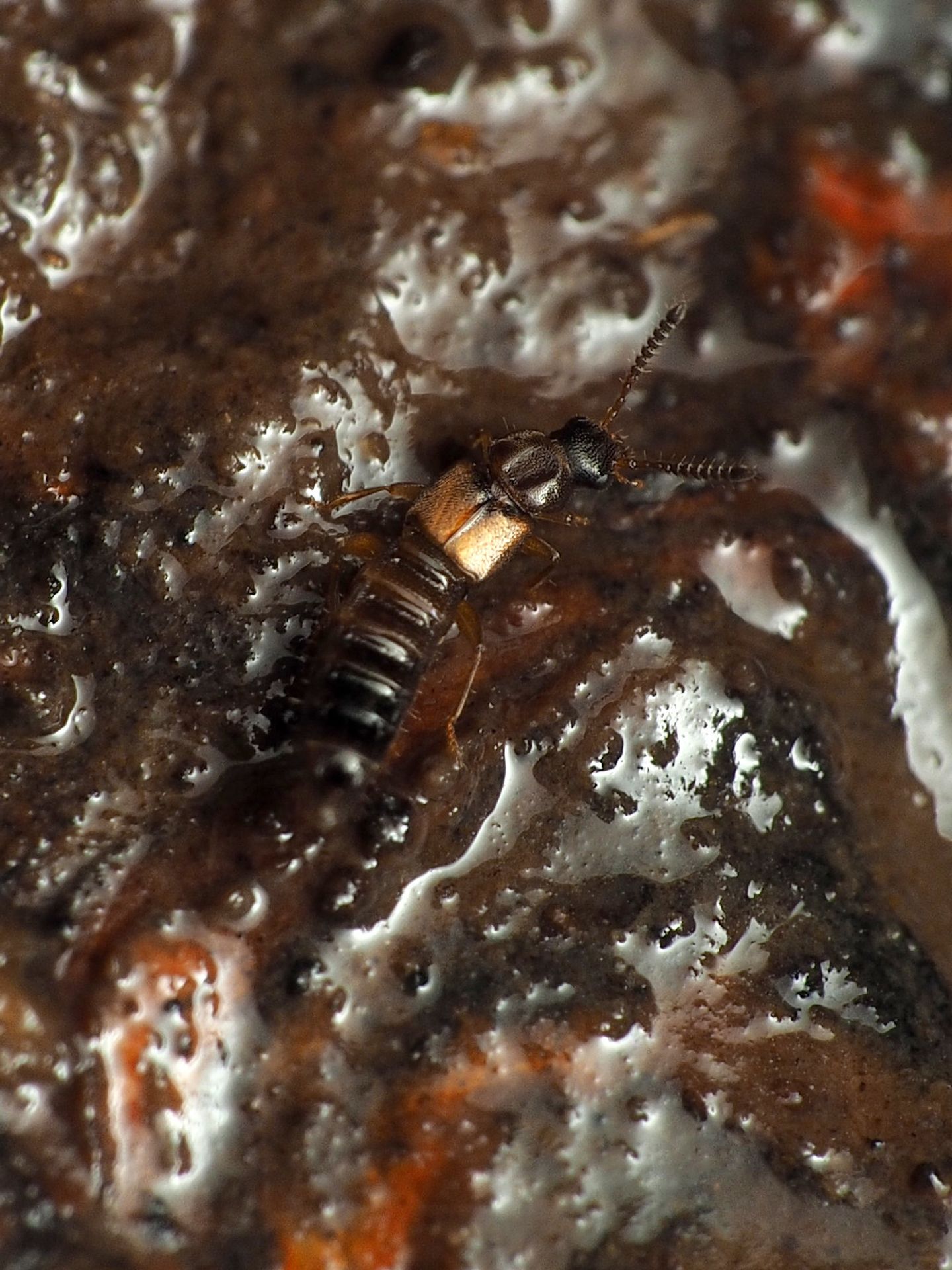
1Coenonica is a of rove beetles in the Staphylinidae, Aleocharinae. It belongs to the tribe Homalotini and subtribe Silusina. The genus was established by Kraatz in 1857. Very few observations exist in public databases, suggesting either rarity, cryptic habits, or undercollection.
Pronunciation
How to pronounce Coenonica: /sɛəˈnɒnɨkə/
These audio files are automatically generated. While they are not always 100% accurate, they are a good starting point.
Identification
As a member of Homalotini, Coenonica likely exhibit the compact body form and reduced characteristic of aleocharine rove beetles. Definitive identification to requires examination of mouthpart structure, tarsal formula, and male genitalia. Separation from related genera in Silusina depends on subtle characters of the pronotum, mesosternum, and .
Images
Distribution
Distribution records are sparse. The has been documented from the Palearctic region, with historical type material likely originating from Europe given Kraatz's geographic focus. Specific range boundaries remain poorly defined due to limited collecting and identification effort.
Similar Taxa
- SilusaBoth belong to subtribe Silusina and share compact aleocharine body plans; distinguished by pronotal and genitalic characters
- GyrophaenaAnother Homalotini with similar small size and rounded habitus; separated by tarsal structure and preferences (Gyrophaena is often more strongly associated with fungi)
More Details
Taxonomic note
Coenonica is one of numerous small aleocharine defined primarily on male genitalic characters. The subtribe Silusina has undergone repeated revision, and generic limits remain fluid. No comprehensive modern revision of Coenonica exists.
Collection status
With only 4 observations in iNaturalist and limited GBIF records, Coenonica appears to be among the more poorly documented aleocharine . This may reflect genuine rarity, microhabitat specificity, or simply lack of targeted collecting in appropriate substrates.