
Mocyta
Mulsant & Rey, 1873
Species Guides
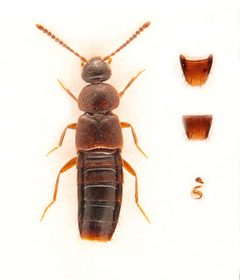
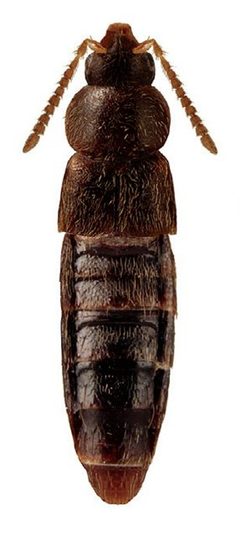
3Mocyta is a of small rove beetles in the Staphylinidae, Aleocharinae, tribe Athetini. The genus comprises 26 known Palearctic , with five confirmed in Ukraine and additional species documented across Europe and North America. Species identification is complicated by significant individual variability in size, coloration, and spermatheca . The genus has been used in ecological monitoring and biogeographic studies, particularly in forest .
Pronunciation
How to pronounce Mocyta: /moʊˈsaɪtə/
These audio files are automatically generated. While they are not always 100% accurate, they are a good starting point.
Identification
-level identification requires examination of spermatheca , though this feature shows wide intraspecific variation across geographic ranges. The most reliable diagnostic features combine multiple morphological characters rather than spermatheca shape alone. Identification keys for regional faunas have been developed to distinguish Mocyta species from other Athetini.
Images
Habitat
Forest , particularly deciduous forests and forest litter . Documented in the Ukrainian Carpathians and other forested regions. Specific microhabitat preferences vary by .
Distribution
Palearctic region, with records from Europe and Northern America. Documented in Ukraine (including Carpathians, Luhansk, and Poltava regions), Austria, Azerbaijan, Belarus, Georgia, Germany, Poland, and Russia.
Seasonality
seasonal activity patterns have been documented for some ; specific timing varies by region and species.
Life Cycle
Parthenogenetic have been documented in at least one (M. fungi, formerly Atheta fungi).
Ecological Role
Component of forest litter and soil fauna. Used in ecological monitoring and assessment of human impacts on natural . Contributes to faunistic and biogeographic research in forested regions.
Human Relevance
Used as indicators in ecological monitoring programs and environmental impact assessments. Subject of taxonomic research due to identification challenges.