
Clambus simsoni
Blackburn, 1902
Clambus simsoni is a small in the Clambidae, first described by Blackburn in 1902. The Clambus comprises minute beetles often associated with leaf litter and decaying organic matter. Records indicate presence in Austria with uncertain status in Belgium. The has limited observation data, with 22 records on iNaturalist.
Pronunciation
How to pronounce Clambus simsoni: //ˈklæmbəs ˈsɪmsəni//
These audio files are automatically generated. While they are not always 100% accurate, they are a good starting point.
Identification
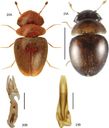
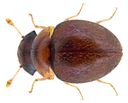
Members of Clambus are minute beetles, usually under 2 mm in length, with a compact, somewhat humped body shape and shortened that leave abdominal segments partially exposed. are clubbed. Specific diagnostic features distinguishing C. simsoni from require examination of genitalia and fine body proportions; no reliable external field characters have been documented for this .
Images
Habitat
in the Clambus are generally found in moist, decaying organic matter including leaf litter, compost, and decaying fungi. Specific requirements for C. simsoni have not been documented.
Distribution
Recorded from Austria (present) and Belgium (status doubtful, with conflicting absence records). The was originally described from Australia based on the author Blackburn, though current distribution records in major databases suggest European occurrences that may require verification.
Similar Taxa
- Clambus speciesOther members of the Clambus share the same minute size, compact body form, and preferences; definitive identification to level requires microscopic examination of genitalia.
- Other Clambidae generaMinute beetles in related within Clambidae (e.g., Calyptomerus, Sphaerothorax) share similar size and general ; -level identification relies on antennal club structure and body form.