
Pseudocotalpa
Hardy, 1971
Species Guides
3- Pseudocotalpa andrewsi(Andrew's Dune Scarab Beetle)
- Pseudocotalpa giulianii(Giuliani's dune scarab)
- Pseudocotalpa sonorica(Sonoran shining leaf chafer)
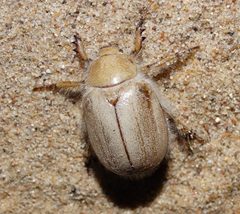
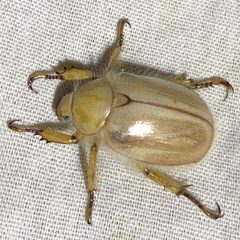
Pseudocotalpa is a of scarab beetles to desert sand dunes of western North America. These beetles are adapted to arid, sandy environments and are among the few scarab specialized for dune . The genus was established by Hardy in 1971 and contains a small number of species.
Pronunciation
How to pronounce Pseudocotalpa: //ˌsjuːdoʊkoʊˈtælpə//
These audio files are automatically generated. While they are not always 100% accurate, they are a good starting point.
Identification
Pseudocotalpa can be distinguished from other scarab beetles by its exclusive association with sand dune in western North American deserts. The robust body form reaching 25 mm in length, combined with this restricted geographic and ecological distribution, separates it from related ruteline scarabs.
Images
Habitat
Sand dunes in desert environments of western North America.
Distribution
to deserts of western North America (Nearctic region).
Similar Taxa
More Details
Taxonomic history
The was described by Hardy in 1971, reflecting recognition of these dune-specialized beetles as distinct from related genera.