
Pleocoma simi
Davis, 1934
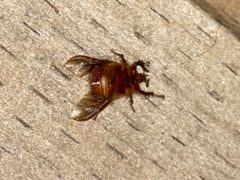
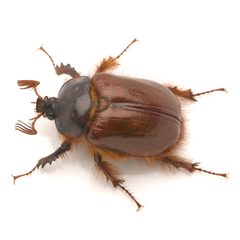
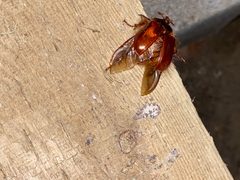
Pleocoma simi is a rain beetle in the Pleocomidae, described by Davis in 1934. The is known from Oregon in the western United States. As with other Pleocoma species, are active during autumn rains and males fly to locate flightless females. Larval stages remain underground, feeding on roots.
Pronunciation
How to pronounce Pleocoma simi: /pliːəˈkoʊmə ˈsiːmaɪ/
These audio files are automatically generated. While they are not always 100% accurate, they are a good starting point.
Images
Distribution
Known from Oregon, United States (western North America). Distribution records indicate presence in the Nearctic region.
Seasonality
are active during autumn rainfall events, consistent with the 'rain beetle' applied to the .
Life Cycle
Larvae are subterranean and develop over multiple years. emerge during autumn rains to mate, with females remaining flightless.
Behavior
Males fly during rainy conditions to locate females. Females do not fly and remain near sites.
More Details
Taxonomic history
Described by Davis in 1934. The specific epithet 'simi' may refer to the type locality or a collector, though original etymology is not documented in available sources.